Motorcycle Sport Best Sports Bikes, Superbikes and Performance Models to Know

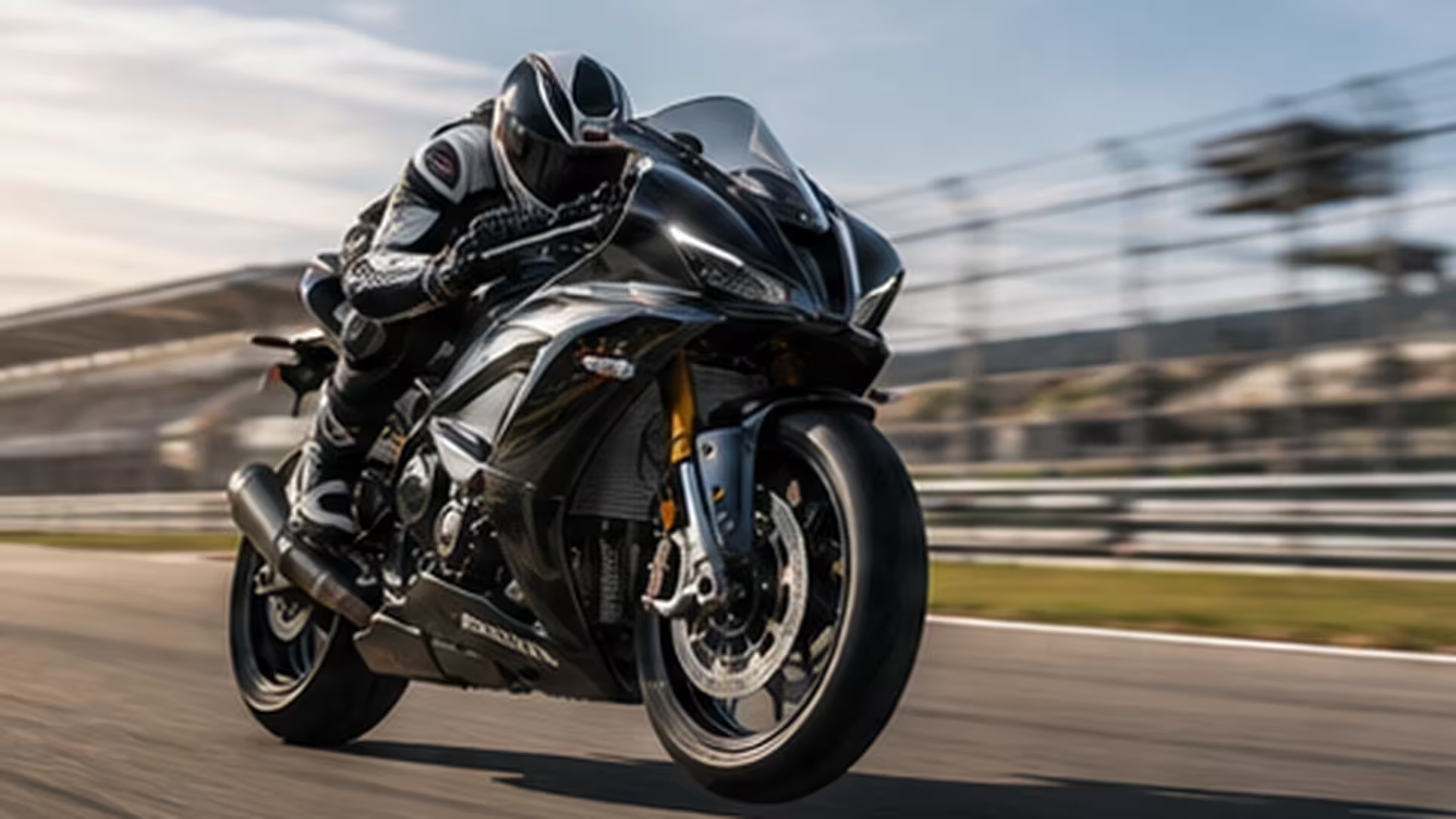
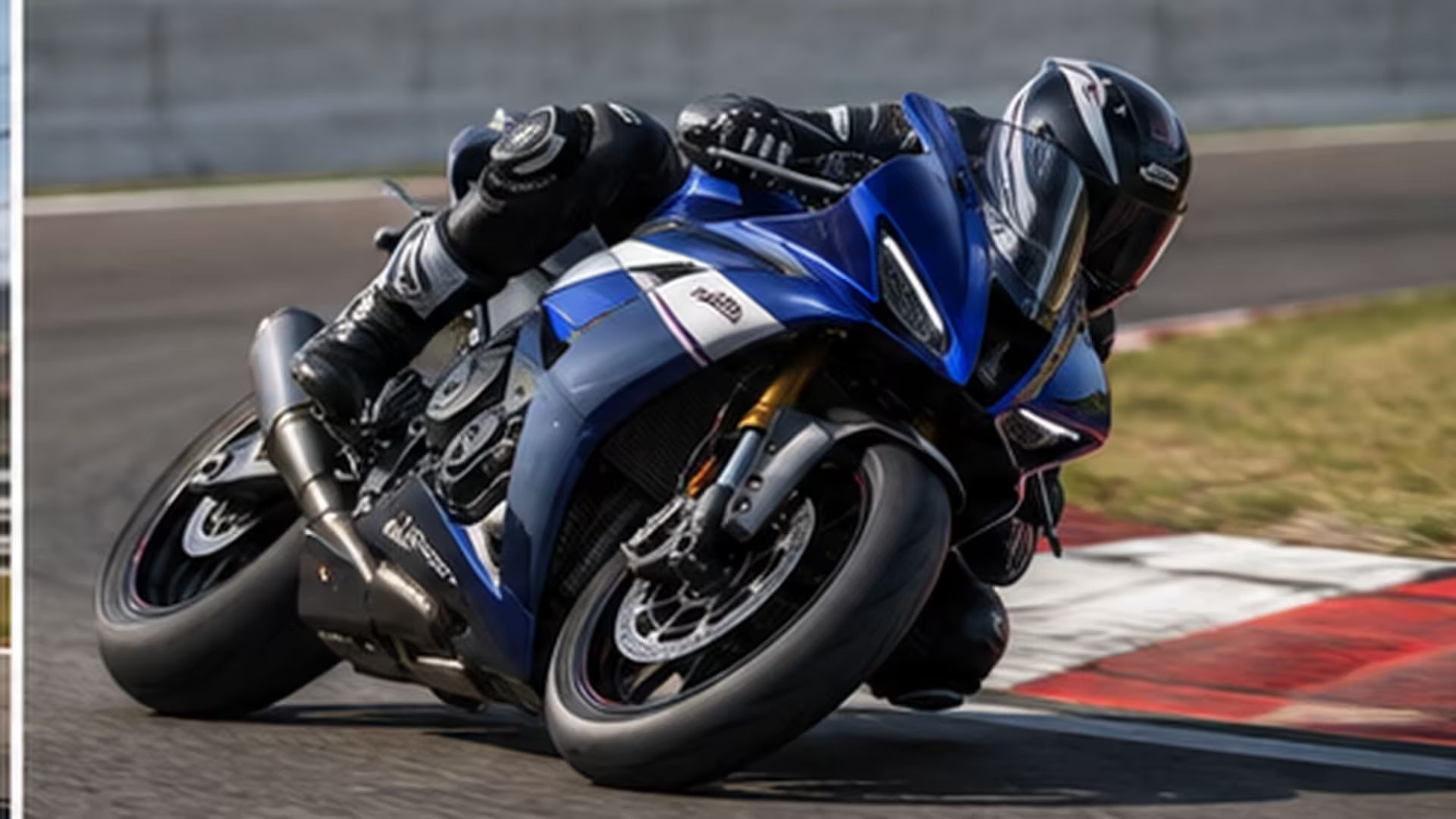
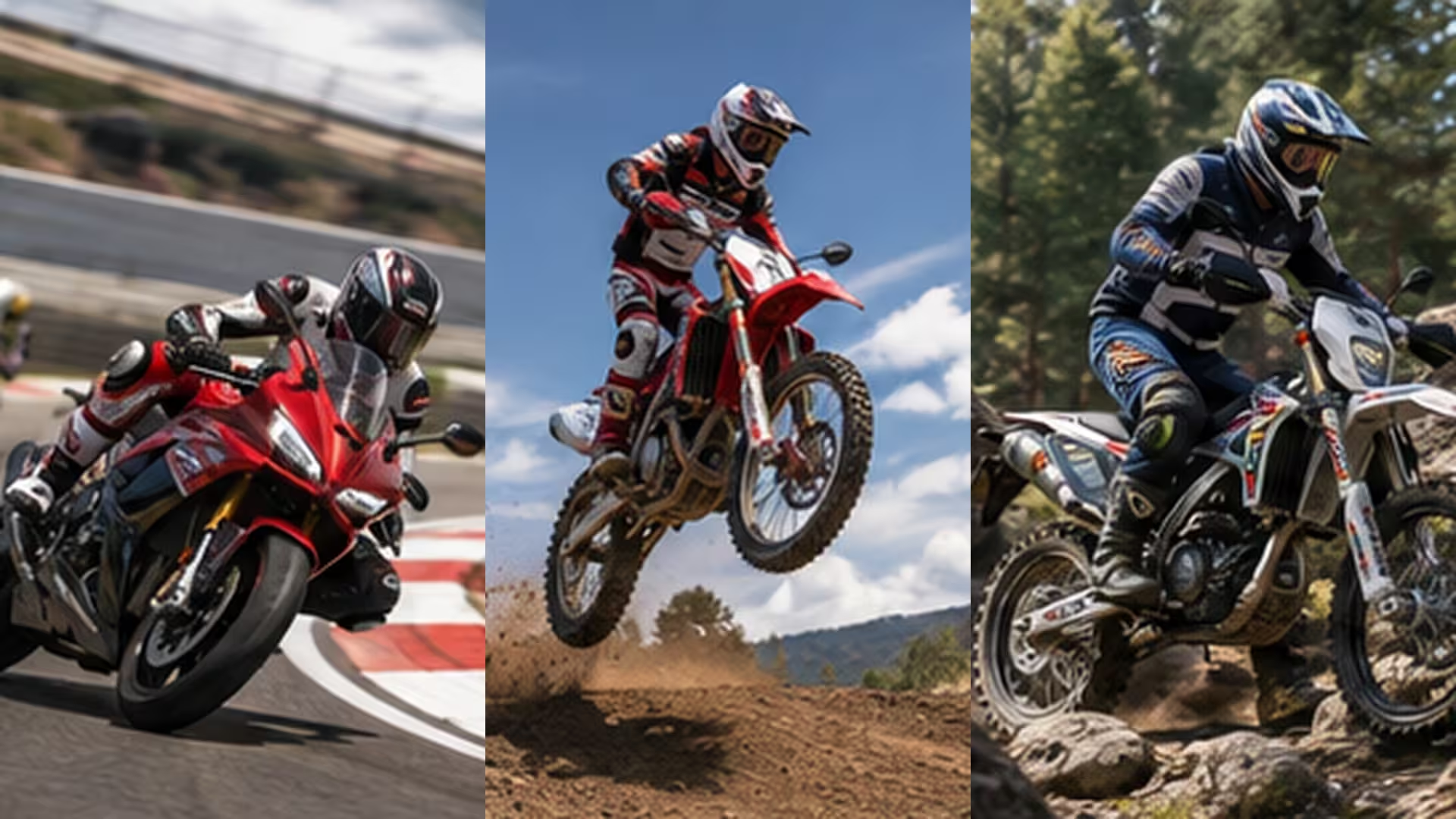
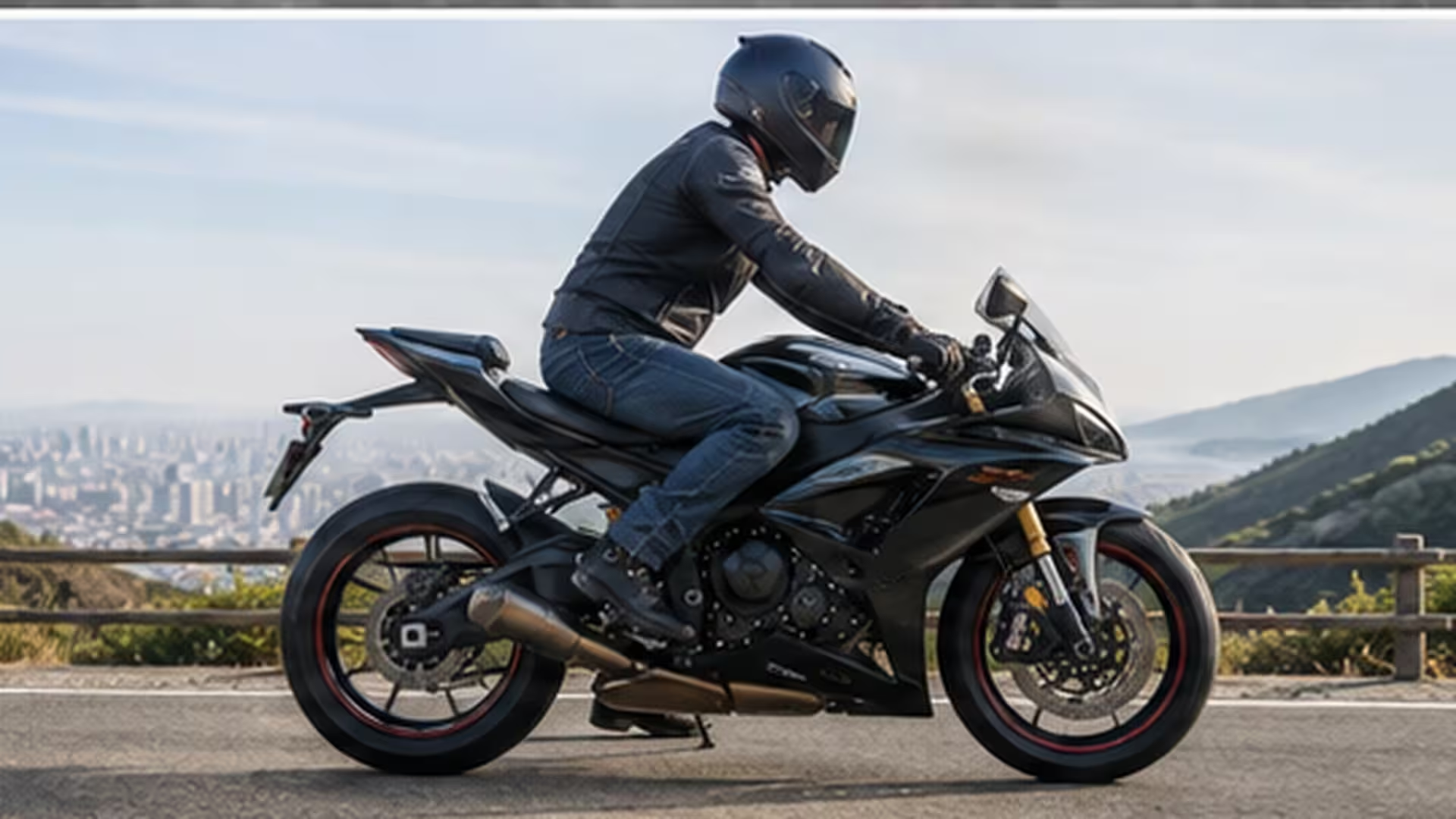


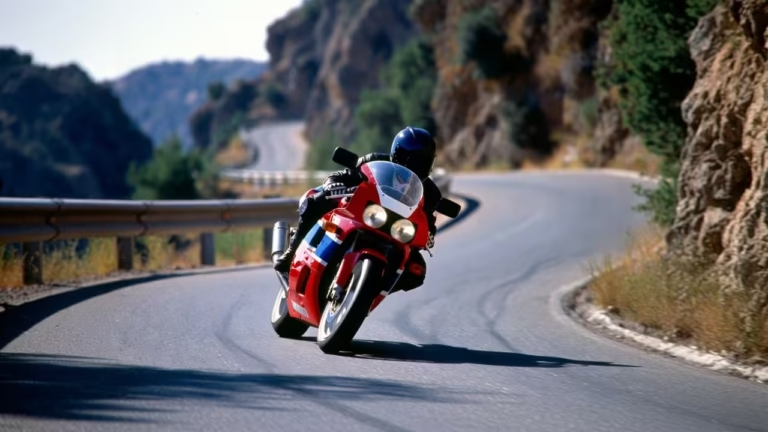
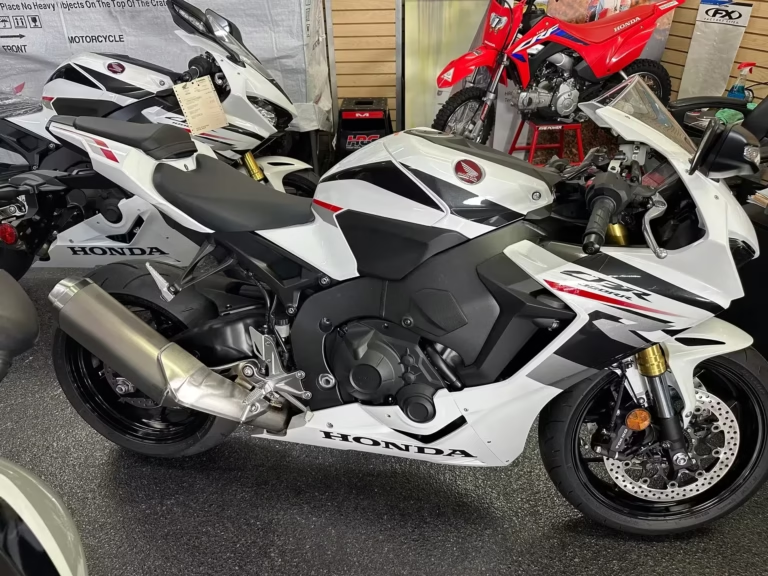
Motorcycle sport continues to define the sharp edge of two-wheeled performance, delivering machines engineered for rapid acceleration, precise cornering and high-speed stability. From lightweight entry models to full liter-class superbikes, the category isolates pure riding focus through aggressive geometry, advanced electronics and purpose-built powertrains that set them apart from more versatile street or touring machines.
Riders across global markets still turn to these motorcycles for their combination of track-capable dynamics and road-legal intensity. Whether the goal is circuit pace, high-performance canyon carving or simply experiencing the distinctive character of a modern sports bike, the current range prioritizes focused engineering over everyday compromise.
What Sports Bikes, Lightweight, Middleweight and Liter-Class Mean
Before examining specific models, it helps to separate the main classes within motorcycle sport.
- Lightweight / Entry Sport: Smaller-displacement machines with approachable power, lighter weight and more manageable ergonomics that introduce riders to sportbike dynamics.
- Middleweight / Supersport: Balanced platforms offering strong mid-range performance, sharp chassis geometry and usable street manners alongside track potential.
- Liter-Class / Superbikes: High-output machines with advanced aerodynamics, sophisticated electronics and peak power figures aimed at maximum circuit and open-road performance.
- Sport Touring Hybrids: Performance-oriented models that retain strong engines while adding more relaxed seating, wind protection and practical range for longer distances.
Motorcycle Sport Models Leading the Market
Lightweight / Entry Sport
Entry-level models such as the Yamaha YZF-R3 use compact parallel-twin engines in the 300–400 cc range. These deliver modest peak power while remaining light and agile, giving newer riders a clear introduction to aggressive ergonomics and precise handling without overwhelming output.
Similar platforms from other manufacturers follow the same formula: responsive chassis, straightforward electronics and seating positions that teach sportbike posture without extreme demands.
Middleweight / Supersport
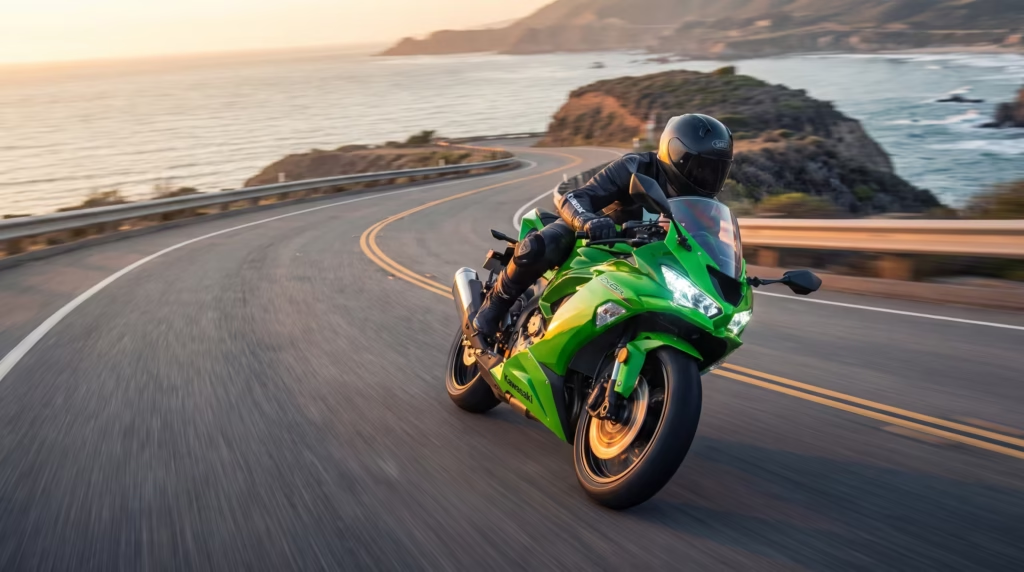
Middleweight machines occupy the sweet spot for many riders. Models built around 600–800 cc engines combine strong mid-range torque with sharp geometry. Parallel twins, inline-fours and compact triples appear frequently, delivering usable power for both road and track days while keeping overall weight manageable.
These bikes typically feature updated suspension, quality braking packages and rider aids that scale with the rider’s skill, making them versatile choices within motorcycle sport.
Liter-Class / Superbikes
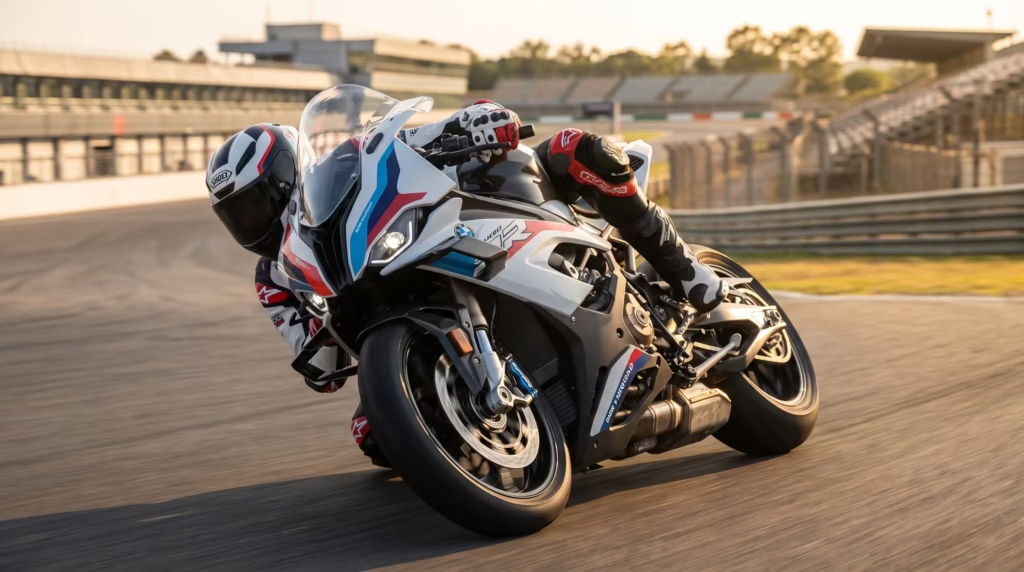
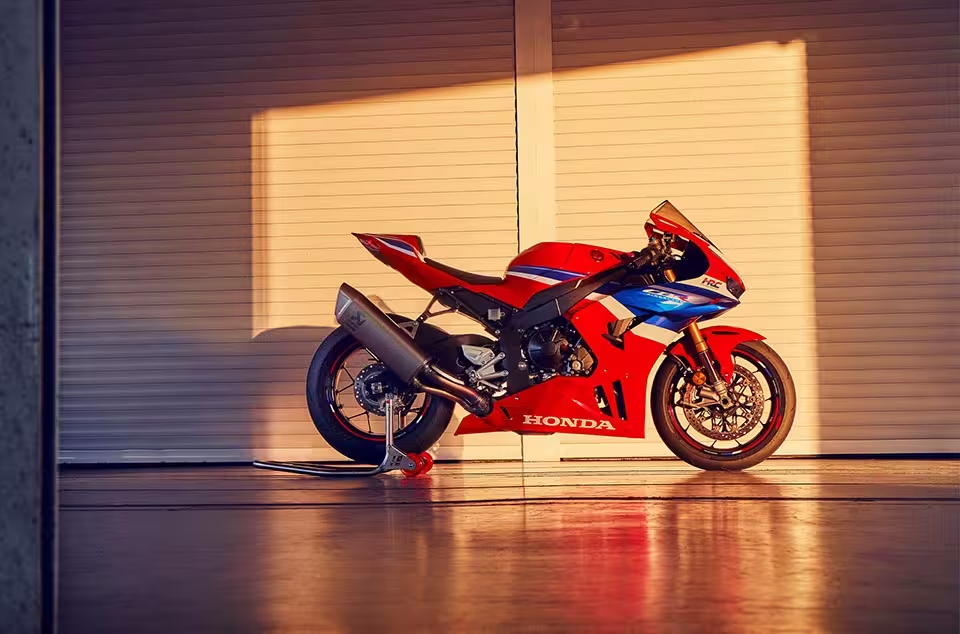
Flagship superbikes remain the pinnacle of the category. Engines in the 999–1100 cc range produce high peak power figures supported by sophisticated electronics packages. Crossplane, short-stroke and high-revving configurations each deliver distinct character, while advanced aerodynamics, electronic suspension and lean-sensitive systems allow precise control at the limit.
Sport Touring Hybrids
A smaller group of models blends sports bike performance with greater comfort. Longer-travel suspension, adjustable screens and more upright ergonomics appear alongside strong engines, creating machines suited to extended rides without fully abandoning the sharp dynamics of pure motorcycle sport.

Key Specifications Representative 2026 Sports Bike Models
| Model Class | Typical Engine | Power (approx.) | Torque (approx.) | Wet Weight (approx.) | Position |
|---|---|---|---|---|---|
| Lightweight Entry | 300–400 cc twin | 40–50 hp | 30–40 Nm | 160–175 kg | Beginner / entry sport |
| Middleweight Supersport | 600–800 cc twin/four | 70–120 hp | 60–90 Nm | 180–200 kg | Road / track balance |
| Liter-Class Superbike | 999–1100 cc four | 180–220 hp | 110–130 Nm | 195–210 kg | High-performance / circuit |
| Sport Touring Hybrid | 800–1100 cc various | 100–150 hp | 90–120 Nm | 210–240 kg | Performance touring |
These numbers illustrate how motorcycle sport platforms share core performance priorities while adapting displacement, power delivery and weight to different rider needs.
Performance, Horsepower, Torque and Acceleration
Sports bikes prioritize strong acceleration and high top-end capability. Liter-class engines deliver peak power at high rpm, rewarding precise throttle control and high-revving character. Middleweight and lightweight models emphasize accessible mid-range torque that makes roll-on acceleration satisfying in real-world conditions.
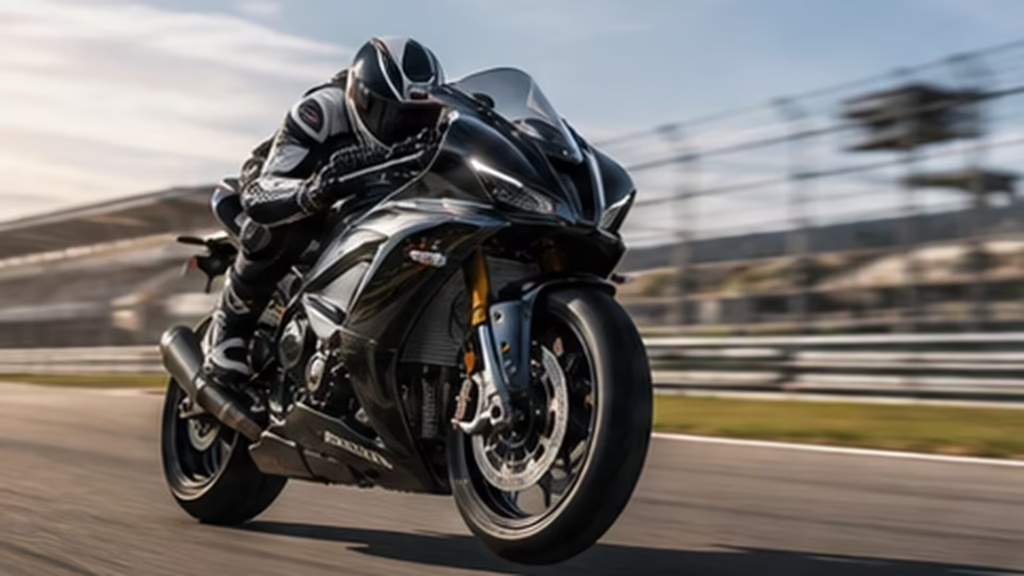
Acceleration depends on more than peak horsepower. Gearing, chassis balance, tire grip and electronic intervention determine how effectively power reaches the ground. Entry models focus on progressive delivery, while superbikes remain oriented toward maximum circuit performance.
Handling, Suspension, Braking and Chassis
Aluminum frames and carefully tuned geometry dominate the category. Supersport and superbike chassis favor sharp turn-in and high-speed stability, while entry models prioritize lighter, more forgiving behavior. Suspension ranges from fully adjustable units on premium machines to simpler setups on lighter bikes, always tuned for responsive feedback.
Braking systems typically combine dual front discs with radial-mount calipers and ABS. Higher models add lean-sensitive intervention. Assist-and-slipper clutches improve downshift control and reduce rear-wheel hop under hard braking, enhancing both safety and track confidence.

Riding Position, Comfort and Daily Usability
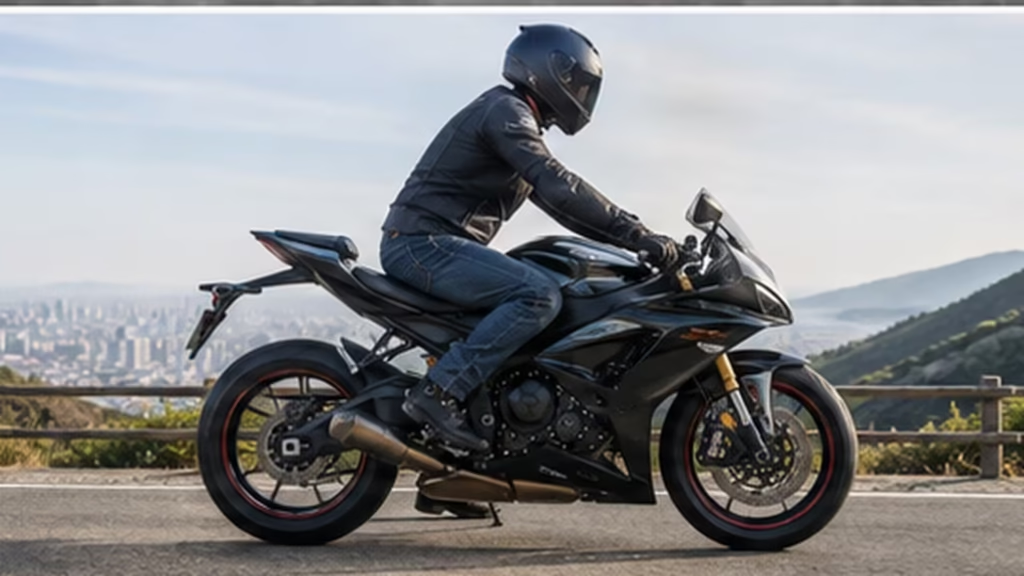
The defining trait of motorcycle sport is the aggressive, forward-leaning posture created by low clip-on bars and high rearsets. This position optimizes aerodynamics and weight distribution for high-speed control but can become fatiguing in stop-start traffic or on long motorway stretches.
Lighter and middleweight models often offer slightly less extreme ergonomics, improving everyday usability. Sport-touring hybrids further relax the seating position while retaining strong performance character. Seat height and reach vary, allowing riders of different sizes to find suitable matches within the range.
Rider Technology, Electronics and Safety Systems
Modern sports bikes feature comprehensive electronics. Lean-sensitive traction control, wheelie control, slide control and multiple power modes appear on higher models. A six-axis inertial measurement unit underpins these systems, enabling intervention that adapts to lean angle and available grip.
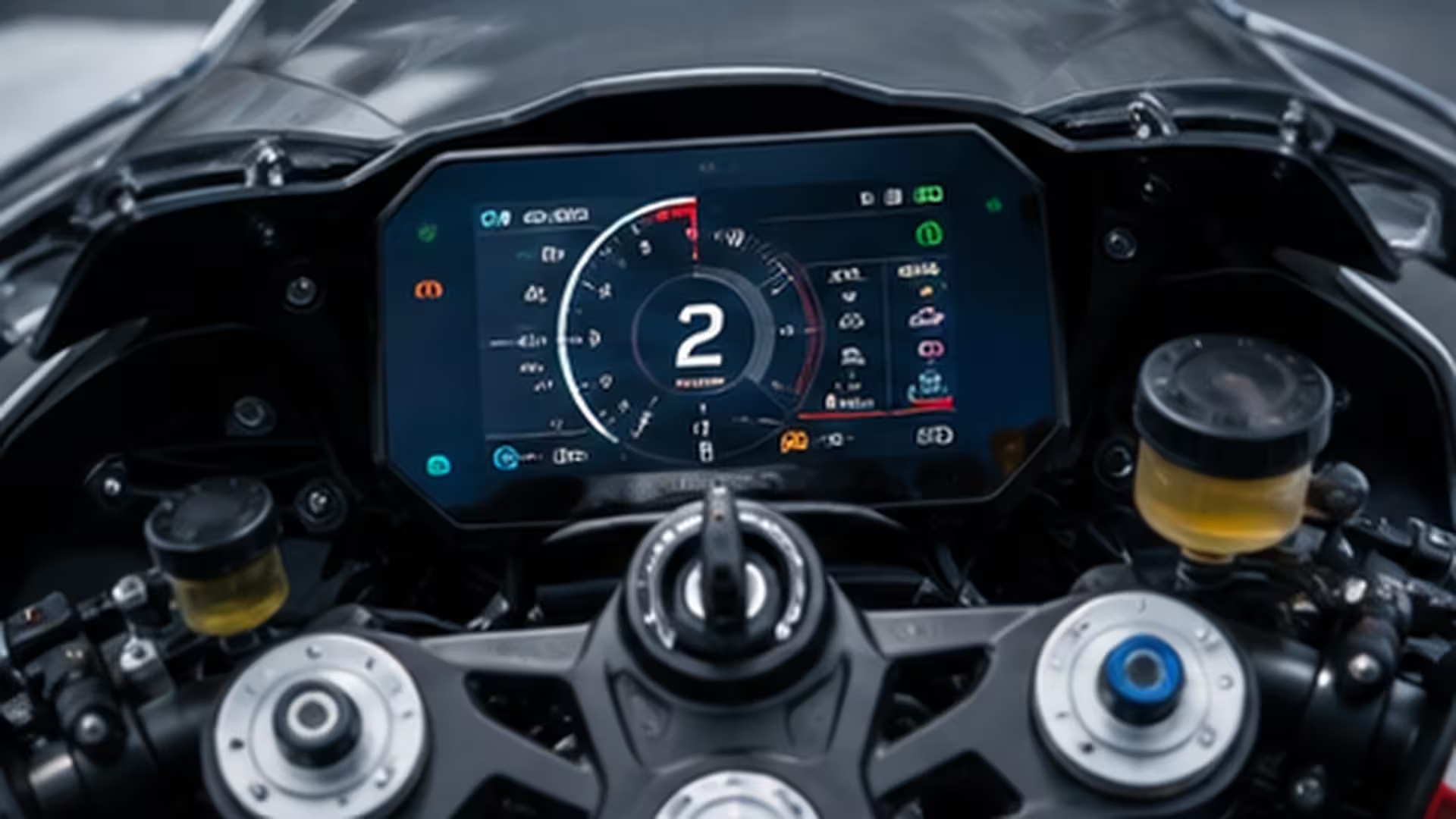
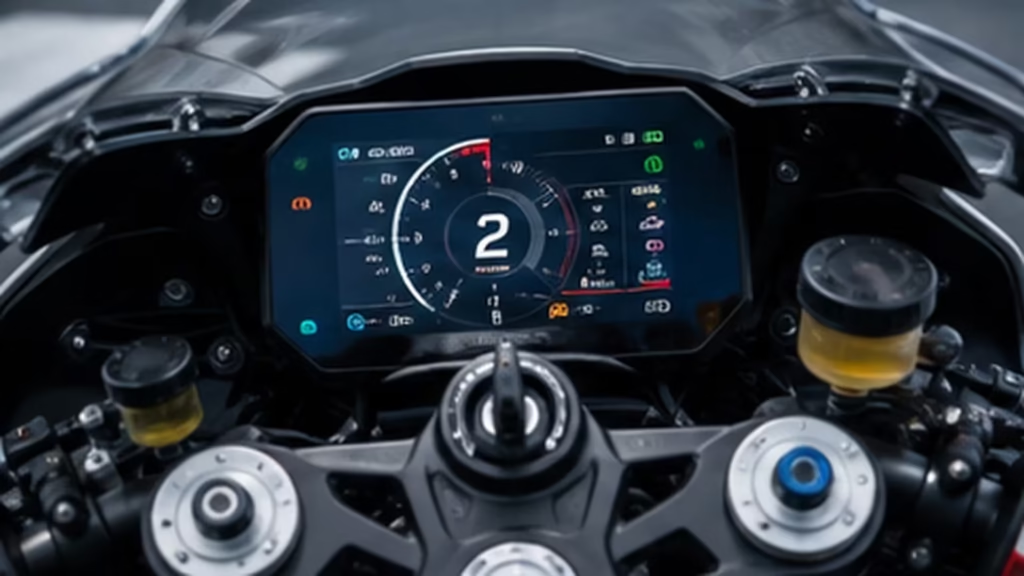
Color TFT displays with smartphone connectivity, navigation options and customizable layouts are increasingly common. Quickshifters, launch control and cornering lights further refine the experience. These systems support skilled riding rather than replace rider judgment.
Fuel Economy, Maintenance and Ownership Costs
Fuel consumption varies widely with engine size and riding style. Lightweight and middleweight twins often return respectable figures under moderate use, while liter-class superbikes consume more under hard acceleration. Mechanical reliability across major manufacturers helps keep long-term ownership costs competitive within the performance segment.

Service intervals are generally clear, and parts availability remains strong through global dealer networks. Tires, brake pads, chain kits and fluid changes form the primary ongoing expenses for most owners.
Pricing and Availability Worldwide
Sports bikes span a broad price spectrum. Entry-level models sit at the more accessible end, while fully equipped liter-class superbikes and limited editions occupy the higher range. Pricing reflects local taxes, emissions equipment and optional packages, with variations across major markets.
Availability is strong through official dealer networks in most regions. Popular middleweight and entry models often see consistent stock, while higher-specification or limited versions may require ordering or waiting lists depending on demand.
Motorcycle Sport vs Competitors and Other Categories
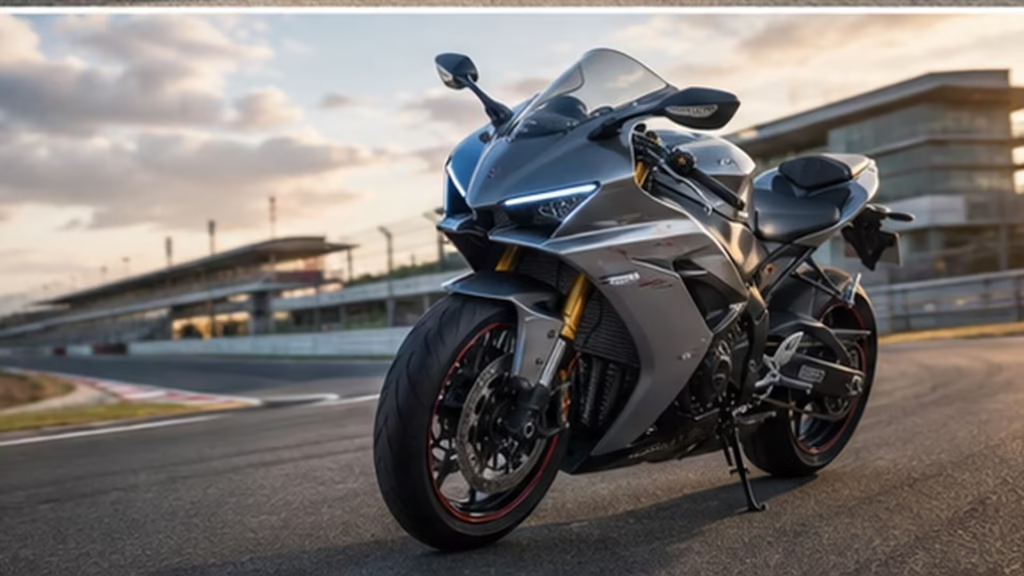
Compared with naked bikes, sports models emphasize aerodynamics, aggressive ergonomics and high-speed stability over upright comfort and everyday torque. Against pure touring machines they trade luggage capacity and wind protection for sharper handling and stronger peak performance.
Within the broader performance segment, sports bikes compete directly with one another on power delivery, electronics sophistication and chassis precision. The category’s focus on track-capable dynamics continues to distinguish it from more versatile street or adventure platforms.
Real-World Usability and Track Performance
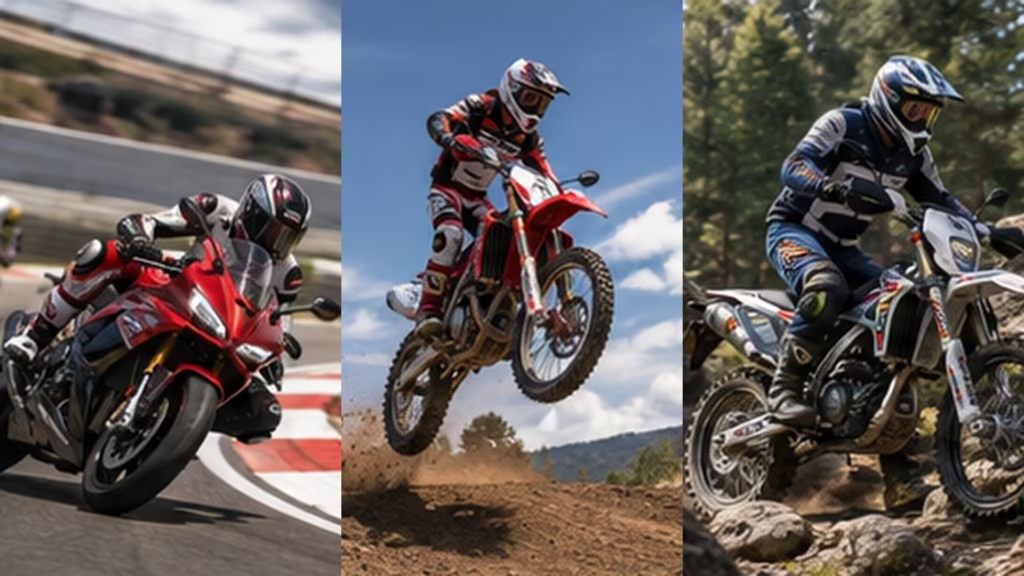
On the road, middleweight and lightweight models prove the most versatile for mixed daily use. Liter-class machines deliver their strongest impressions on open, flowing roads or circuit sessions where electronics and chassis can operate near their design limits.
Track performance benefits from decades of racing development. Lean-sensitive aids, precise throttle response and stable geometry allow progressive exploration of limits once the rider adapts to each model’s character. Real-world usability improves when riders match the bike’s intensity to their experience and typical routes.
Market Impact and Future Trends
Motorcycle sport continues to influence the wider industry by demonstrating how high performance, advanced electronics and distinctive engine character can coexist with road-legal practicality. Future development is likely to focus on further weight reduction, refined aerodynamics, improved connectivity and continued evolution of rider-aid systems.
Electrification remains a longer-term consideration for the category, yet current internal-combustion platforms still define the core identity of sports bikes for the majority of enthusiasts worldwide.
The strongest examples of motorcycle sport in 2026 succeed for different reasons. Lightweight models introduce riders to the category with approachable power and agile handling. Middleweight supersports deliver the best balance of road manners and track capability. Liter-class superbikes provide maximum intensity and sophisticated electronics, while sport-touring hybrids expand the range into more practical long-distance performance.
Choosing the right machine depends on intended use, rider experience, budget and preference for pure aggressive ergonomics or slightly more versatile daily comfort. Evaluating local dealer support, test-ride impressions and realistic running costs remains more useful than any single specification sheet.