Top 5 Electric Bikes Complete Performance and Buying Guide

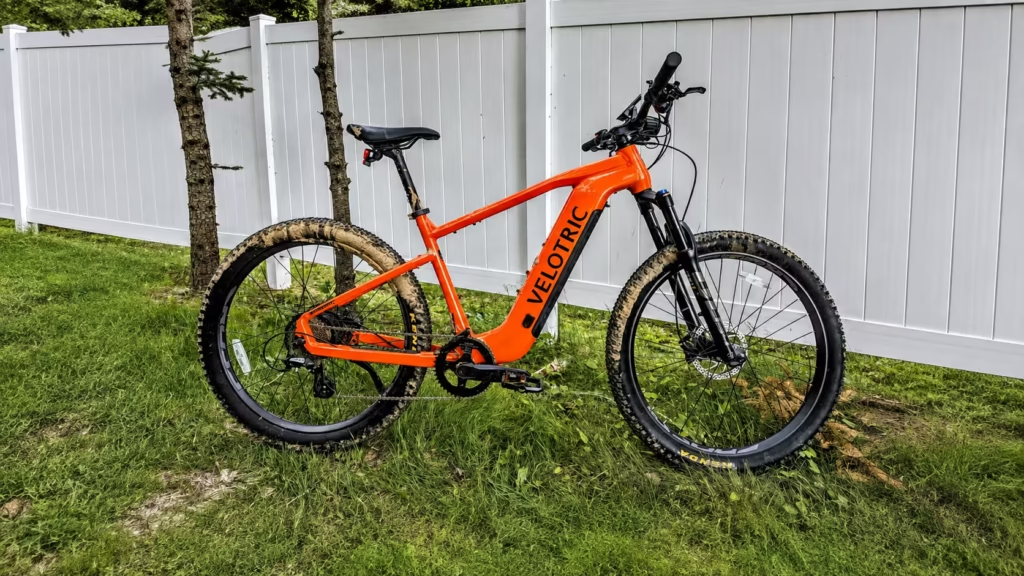

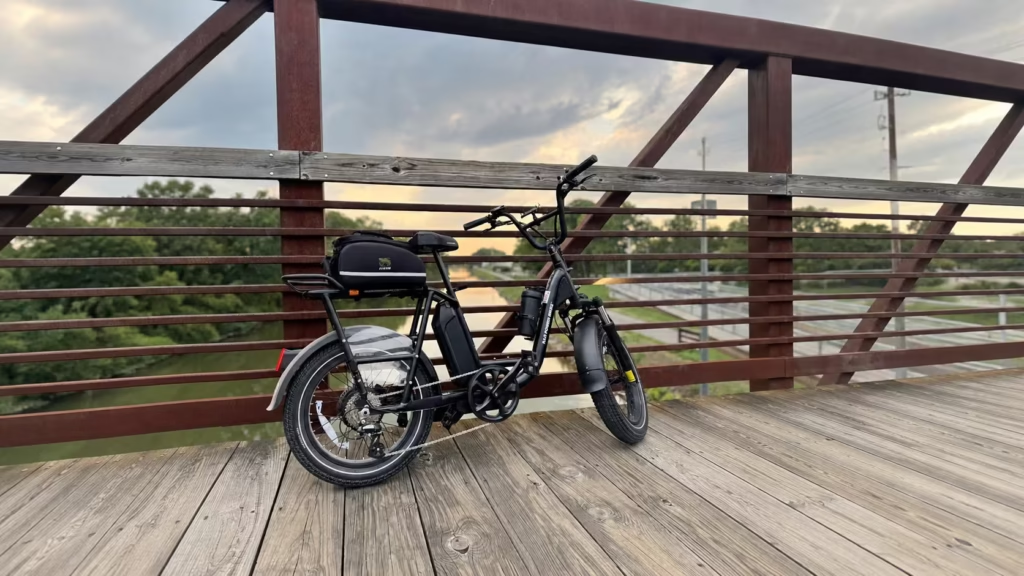

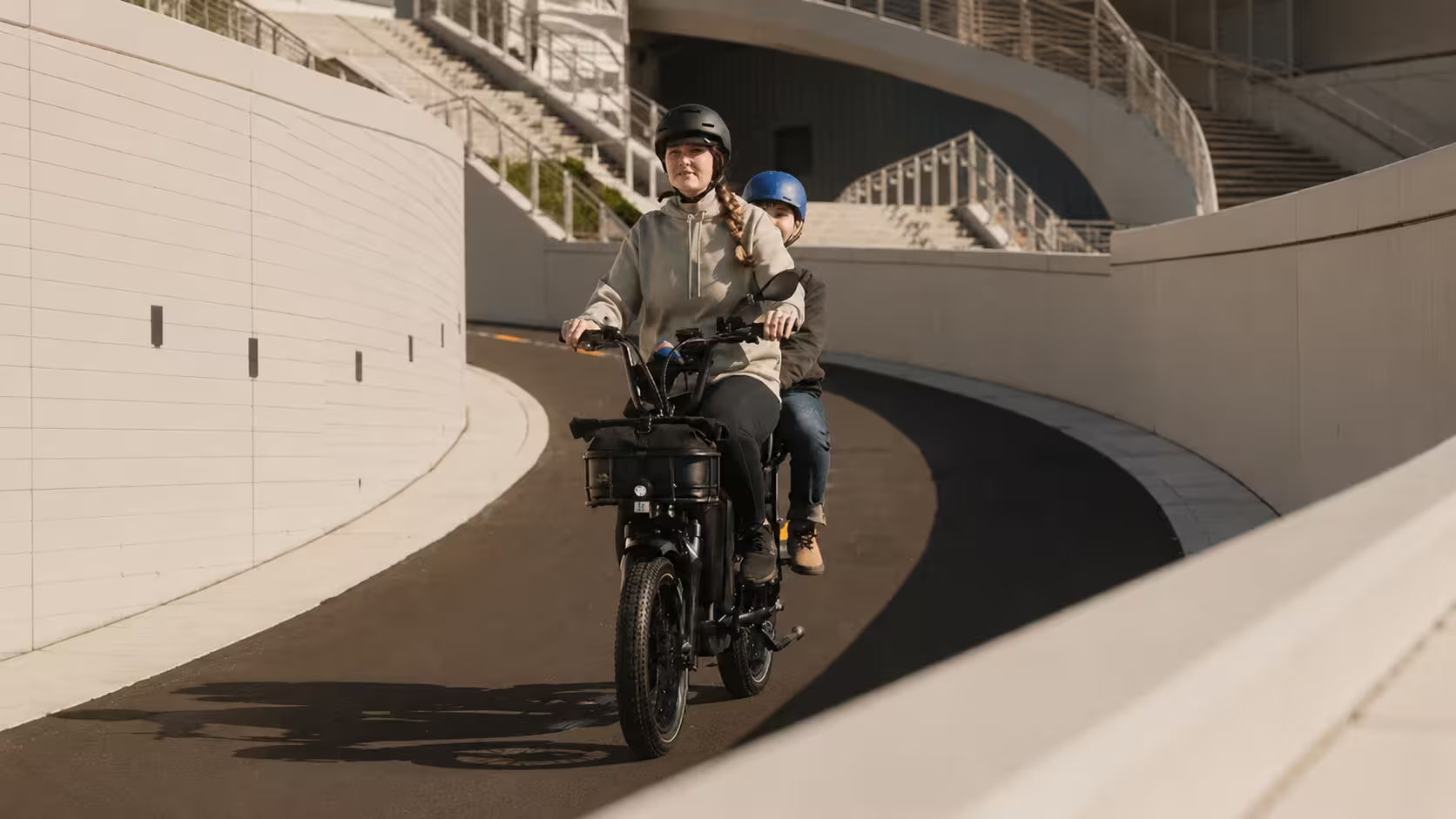
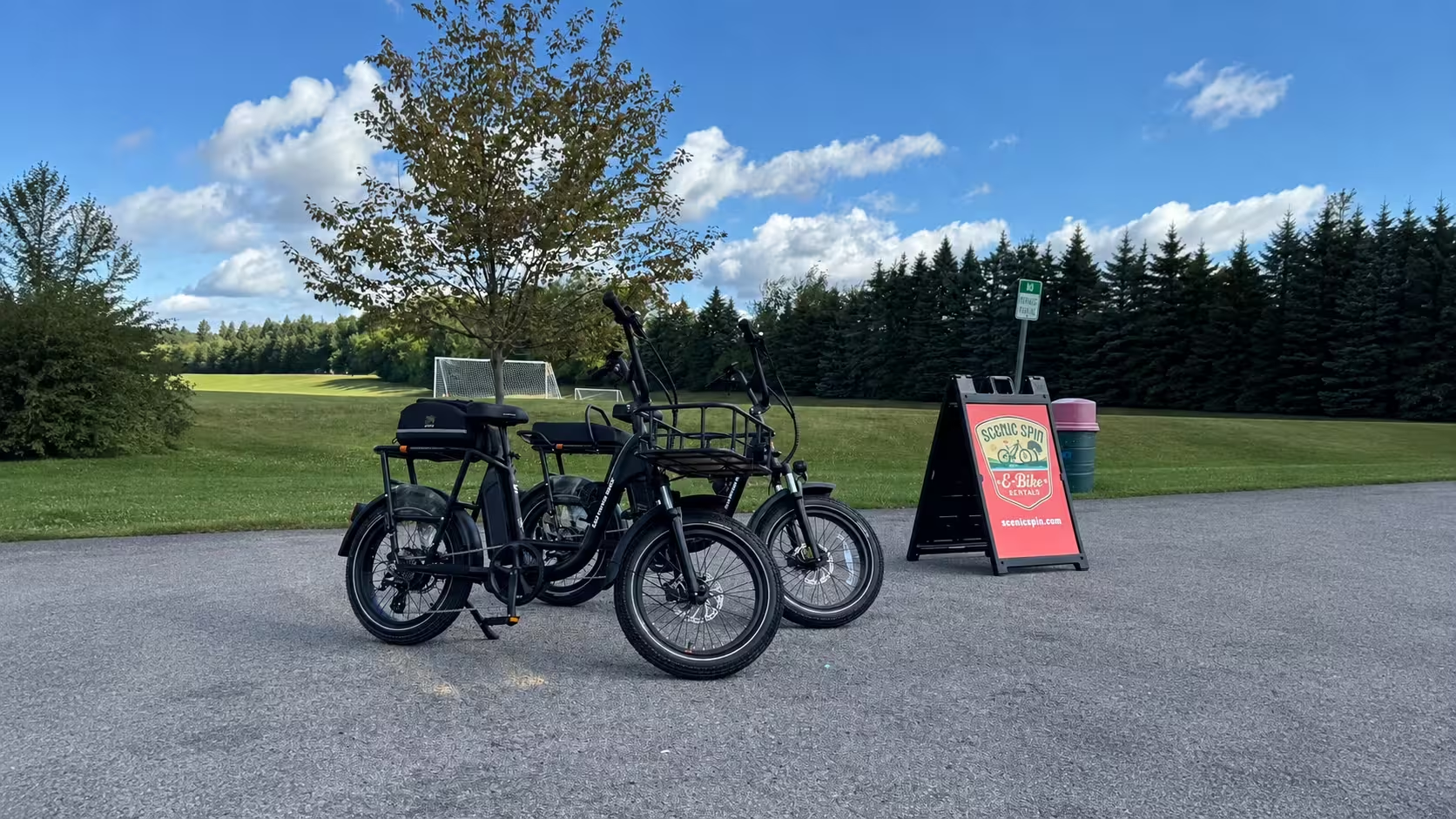
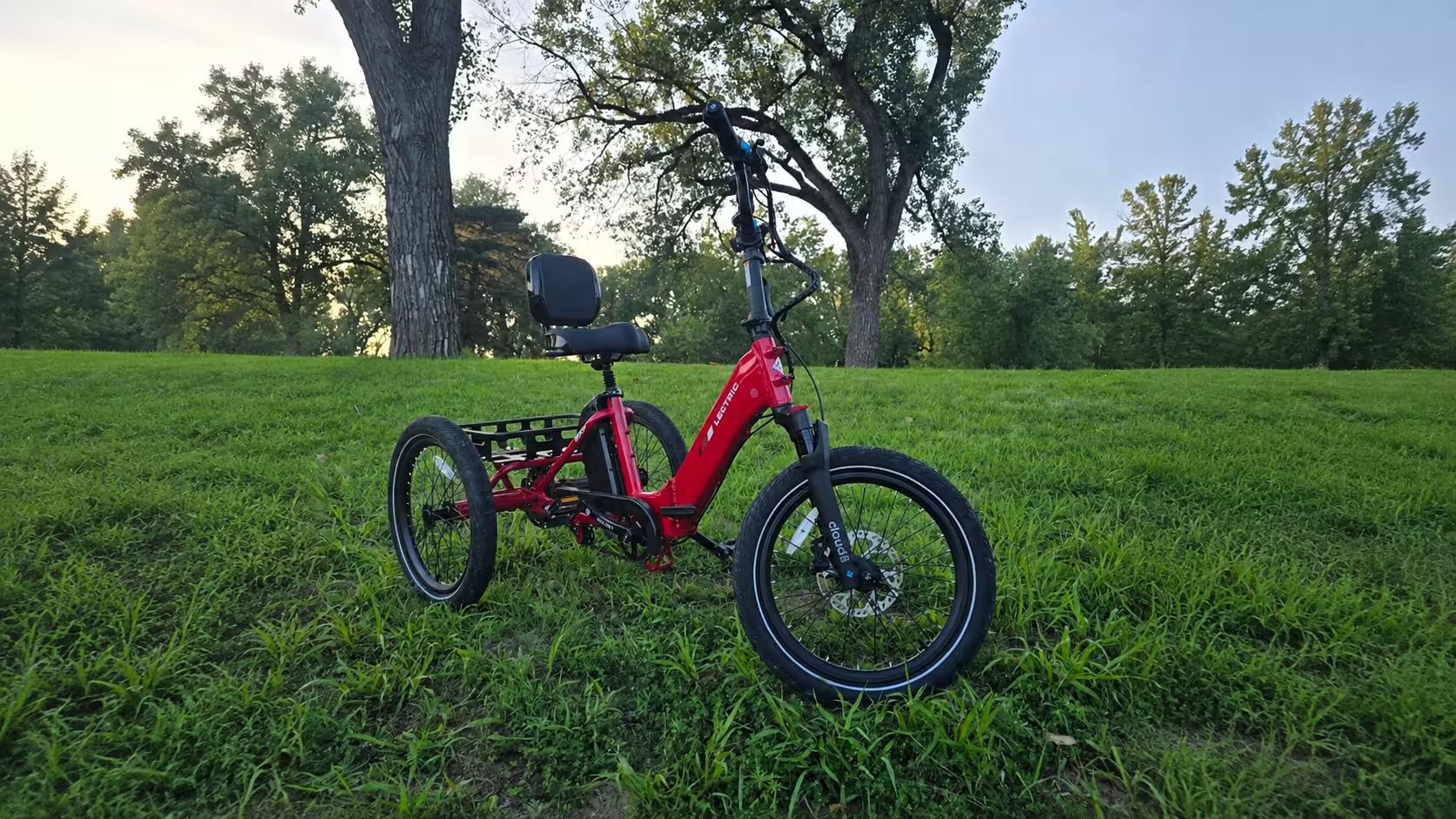
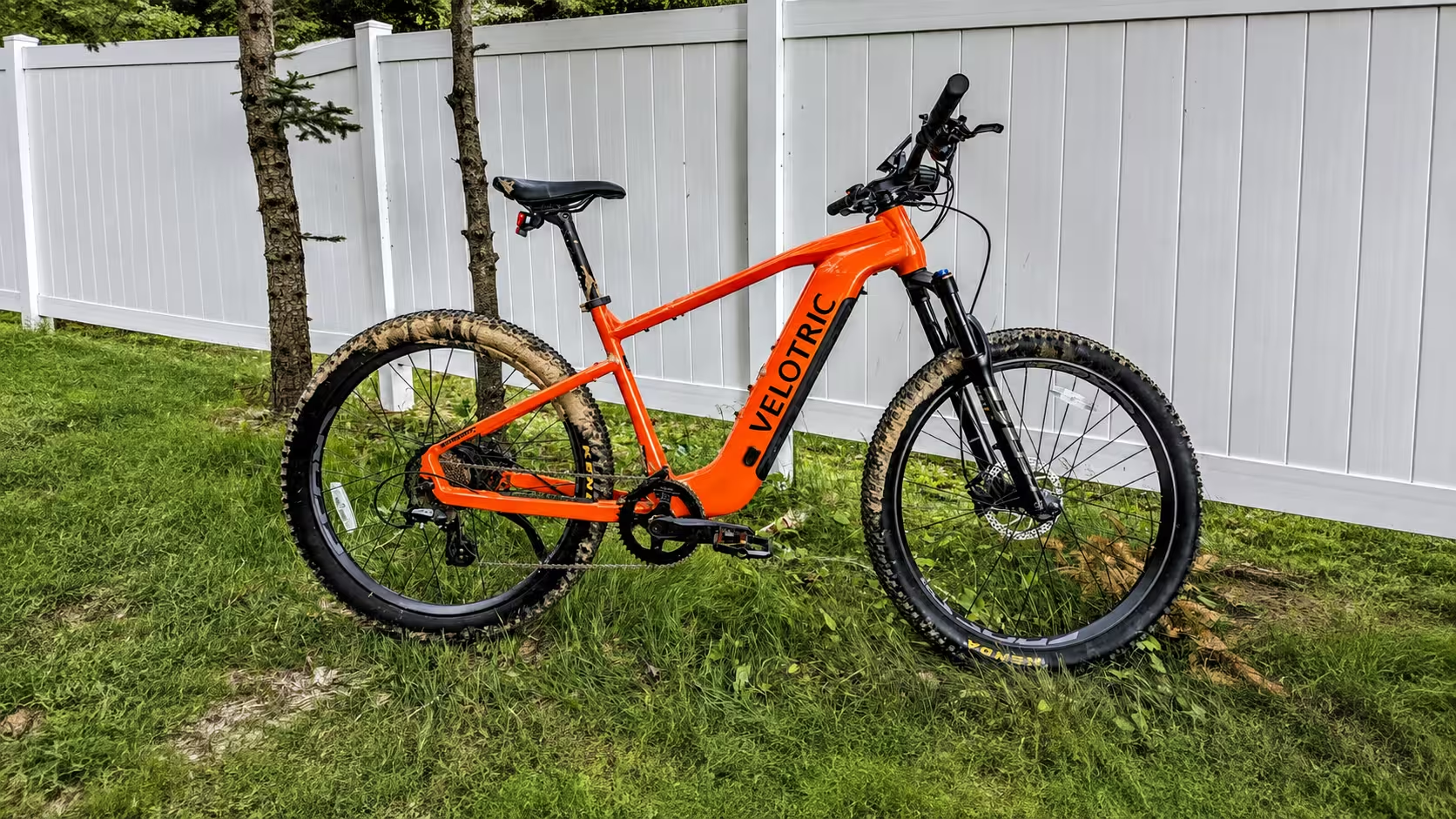

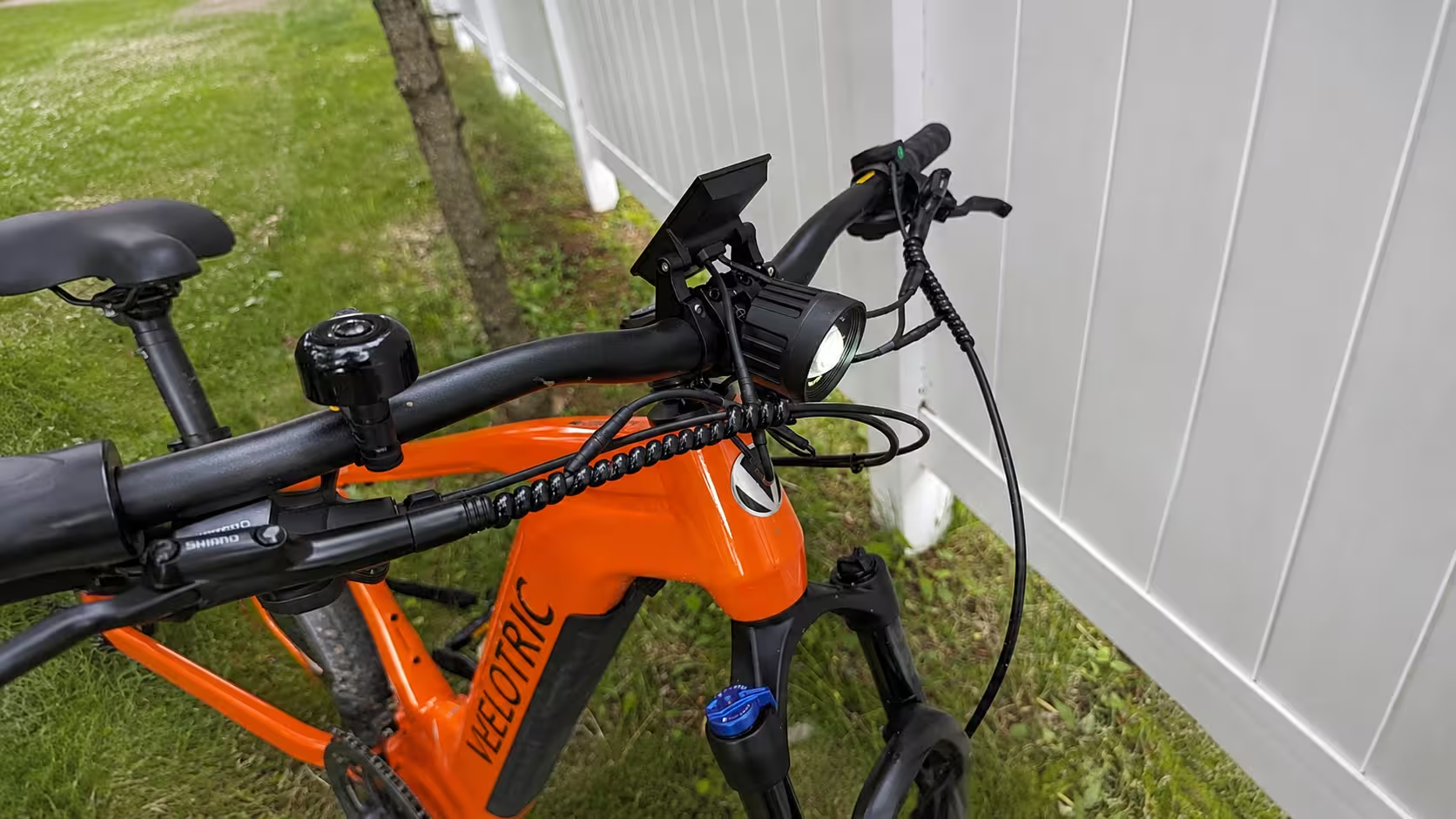


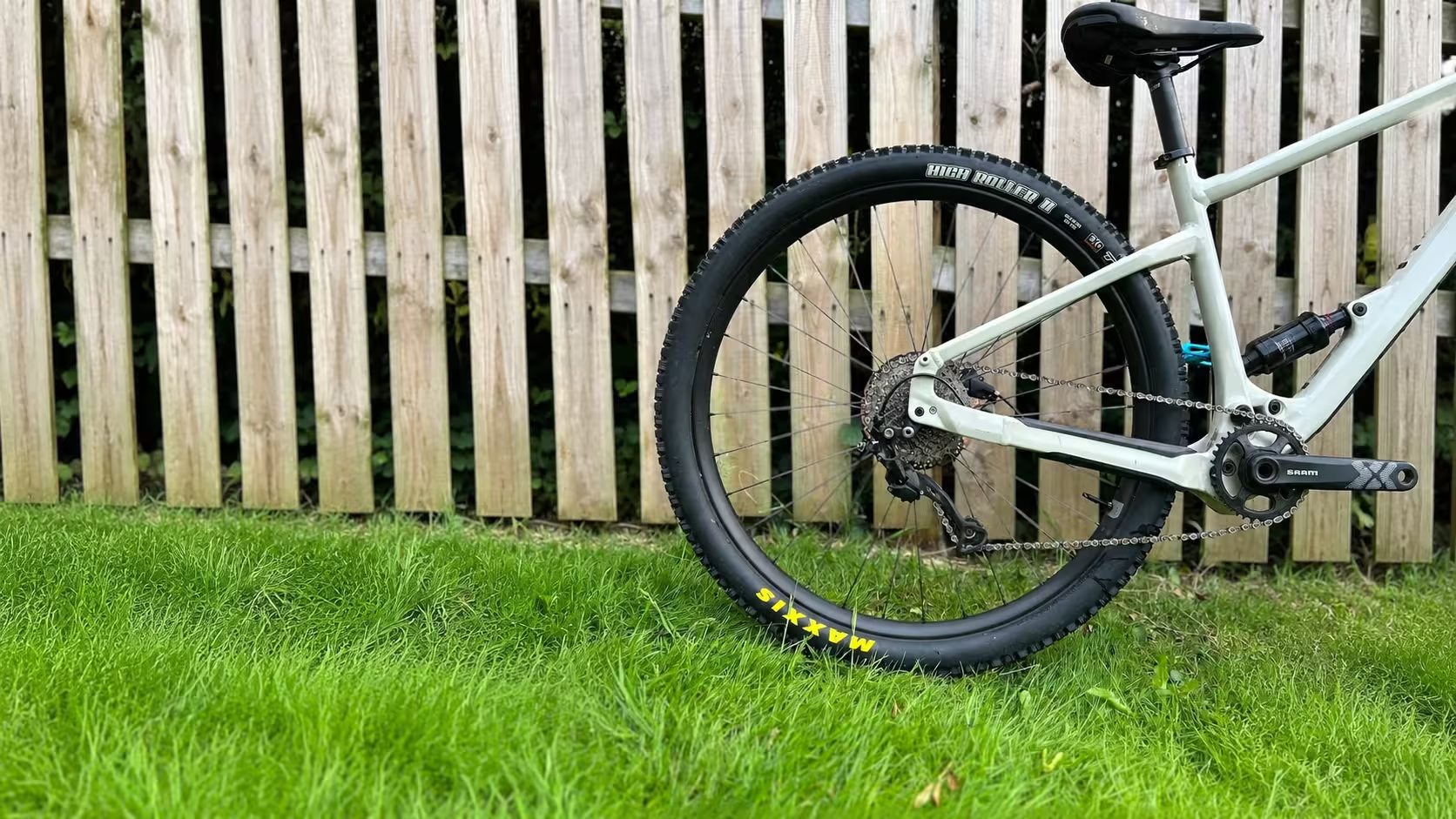
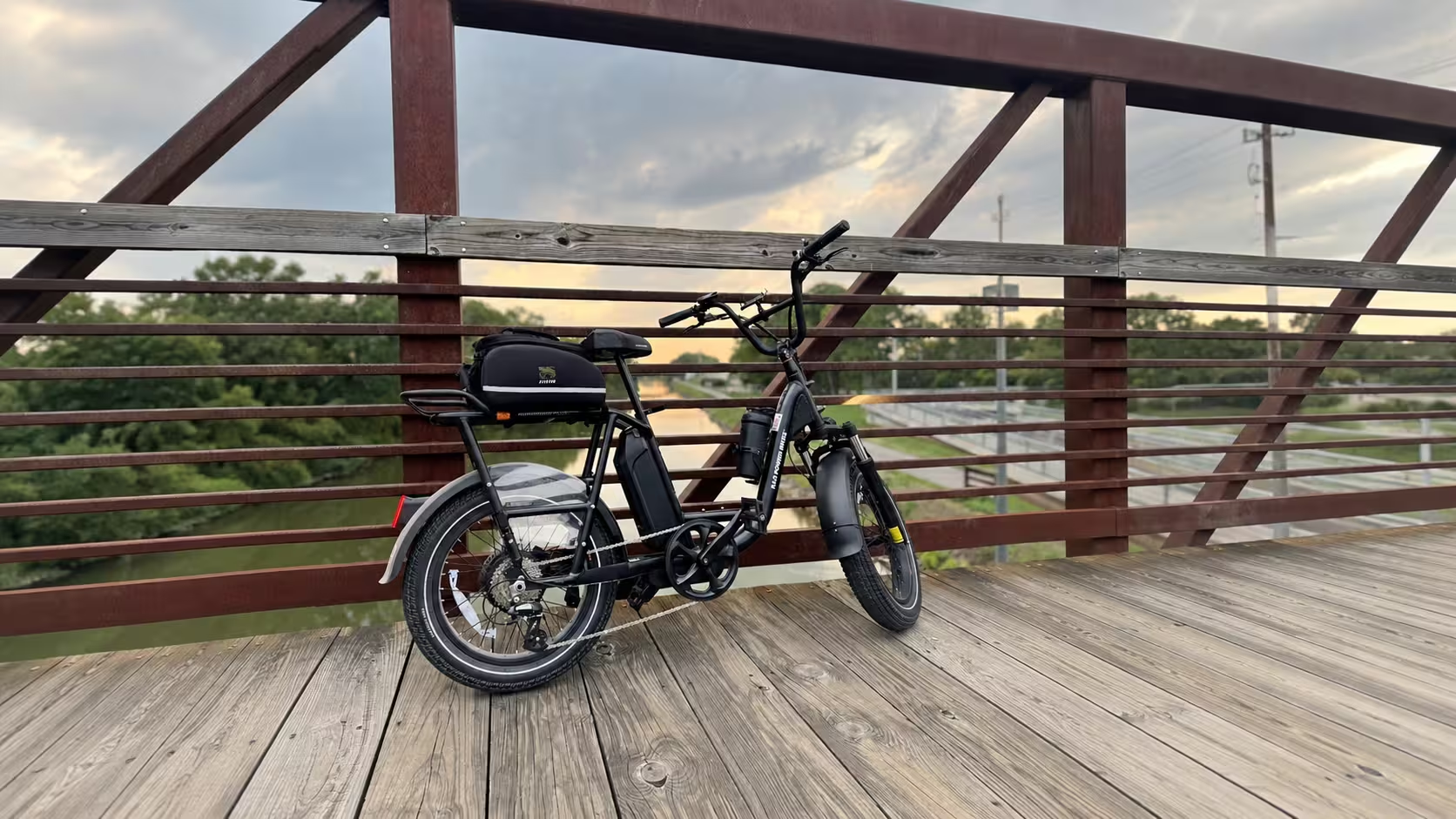
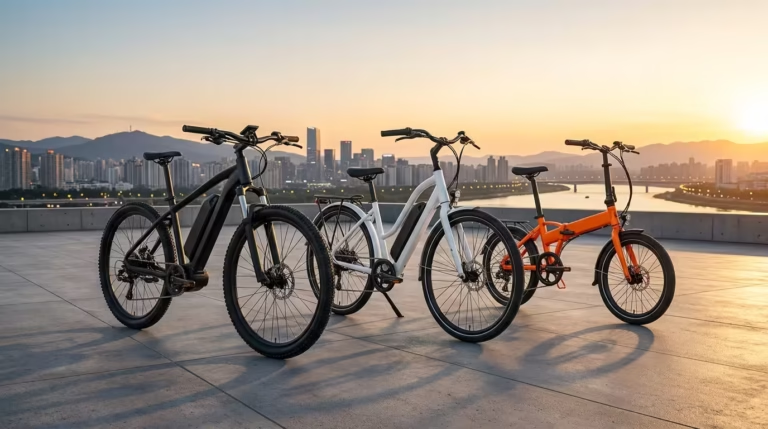
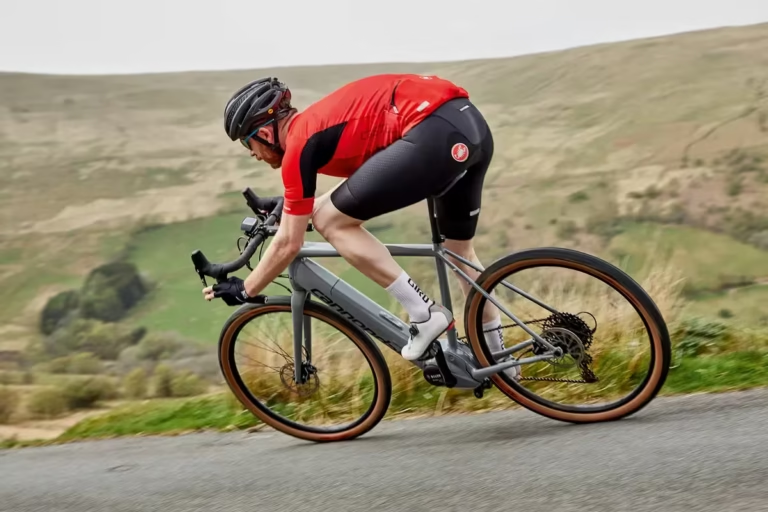
Modern top 5 electric bikes cover almost every corner of the electric mobility market, but the strongest models remain some of the most practical products available today. From the accessible Lectric XP 3.0 and smooth Ride1UP LMTD V2 to the cargo-focused RadRunner 3 Plus, the lightweight Tenways CGO600 Pro and the premium Specialized Turbo Tero, the current lineup serves developing riders, daily commuters and serious multi-terrain users.
Electric bikes matter because they act as rolling laboratories for personal mobility engineering. Torque sensors, mid-drive motors, integrated batteries, hydraulic braking and advanced rider aids often appear on leading models before spreading to more everyday machines. At the same time, today’s best top 5 electric bikes must deliver more than impressive range figures. Buyers increasingly expect natural pedal feel, manageable weight, reasonable ownership costs and usable performance.
That balance explains why these five machines remain relevant in a market increasingly influenced by folding designs, utility platforms and hybrid adventure bikes.
What Are Electric Bikes?
An electric bike is a bicycle designed primarily around assisted acceleration, efficient energy use, responsive handling and rider control. Compared with conventional bicycles, electric bikes generally feature an integrated motor, a rechargeable battery, pedal-assist or throttle systems, and components engineered for higher average speeds and repeated daily use.
However, the category is broader than it once was.
Entry-level folding models such as the Lectric XP 3.0 emphasize manageable power and compact storage, while urban machines such as the Ride1UP LMTD V2 provide smoother torque delivery and more refined chassis performance. At the upper end, adventure-oriented bikes such as the Specialized Turbo Tero are designed much more closely around mixed-terrain requirements.
A lightweight stealth road machine and a heavy-payload utility bike may both offer pedal assist, yet their performance, electronics, running costs and rider demands are dramatically different.
Top 5 Electric Bikes Range Explained
The current top 5 electric bikes philosophy can be understood through five distinct market positions.
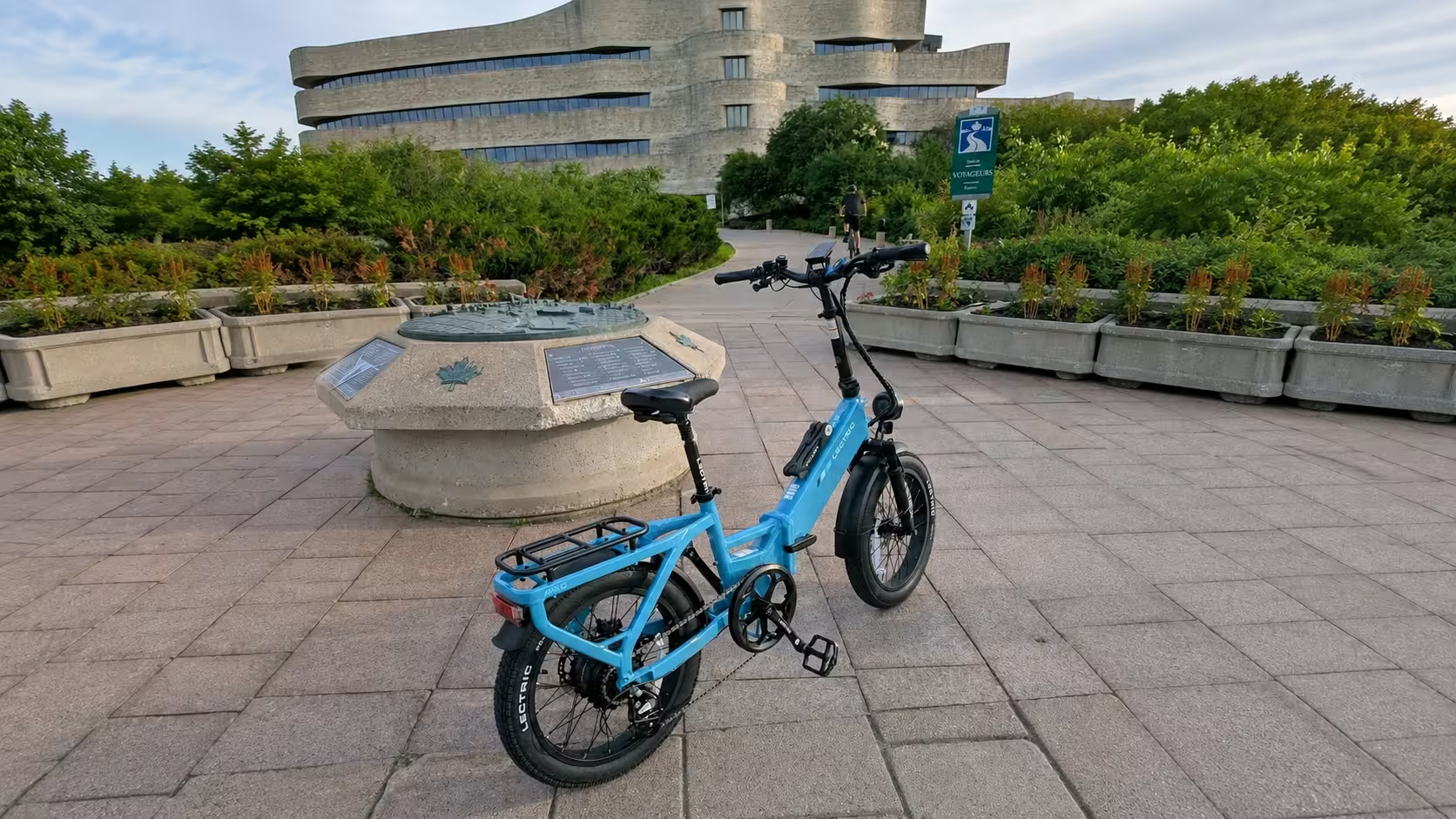
Lectric XP 3.0
The Lectric XP 3.0 is the accessible folding option among the top 5 electric bikes. Its 500 W motor (1000 W peak) is designed to offer predictable power delivery rather than overwhelming acceleration.
The foldable 64 lb frame and built-in passenger-ready rear rack make it considerably easier to store and transport than larger non-folding machines.
Its strengths include:
- Compact folding design
- Hydraulic disc brakes
- Passenger-ready rear rack
- Manageable power delivery
- Relatively economical ownership
- Beginner-friendly overall package
Ride1UP LMTD V2
The Ride1UP LMTD V2 takes a different approach. Instead of chasing maximum peak power figures, it uses a 750 W high-torque motor paired with an advanced torque sensor.
That combination is valued for strong usable response, predictable throttle behavior and an engaging character at realistic road speeds. Speeds can reach up to 28 mph depending on class setting and conditions.
Its 100 mm front suspension fork and smooth power delivery give it a more natural feel than many cadence-sensor competitors.
For many riders, the LMTD V2 represents one of the most balanced of the top 5 electric bikes because it combines genuine urban capability with power that can still be explored without abrupt motor jumps.
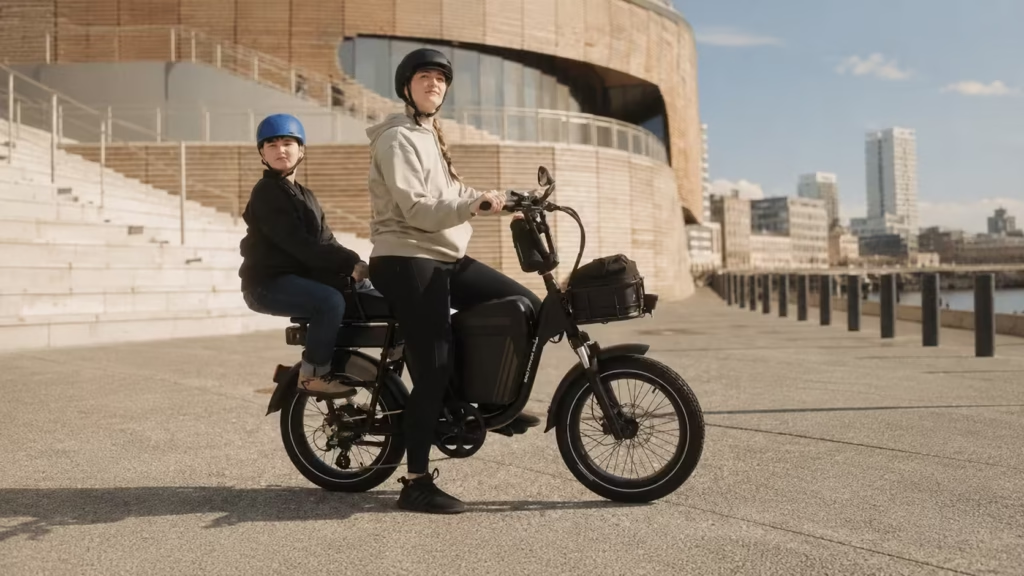
Rad Power Bikes RadRunner 3 Plus
The RadRunner 3 Plus expands the utility strategy around a 750 W rear hub motor and a step-through aluminum frame.
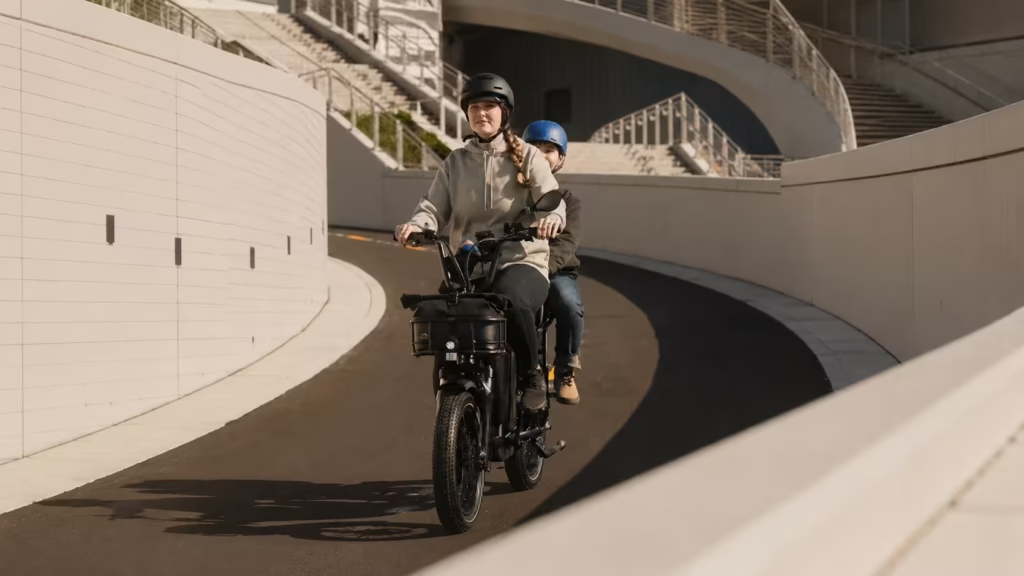
Rather than simply adding assist to a conventional bicycle, it is positioned as a dedicated cargo and passenger platform with a massive 350 lb payload capacity and proprietary Safe Shield battery technology.
The moped-style geometry offers considerably more carrying ability than typical commuter machines while remaining below the extreme complexity of full cargo-specific designs.
For practical riders, this makes the RadRunner 3 Plus particularly significant. It represents the growing modern preference for usable load-hauling performance rather than relying exclusively on lightweight road geometry.

Tenways CGO600 Pro
The Tenways CGO600 Pro sits at the lightweight end of the top 5 electric bikes hierarchy.
It centers around a 350 W silent motor, a magnetic torque sensor and an ultra-light 37 lb frame. Optional Gates carbon belt drive further reduces maintenance demands.
The CGO600 Pro is built around stealth aesthetics, low weight and efficient urban acceleration.
Availability of specific drive options varies by market, especially as component supply and regional preferences continue to evolve.

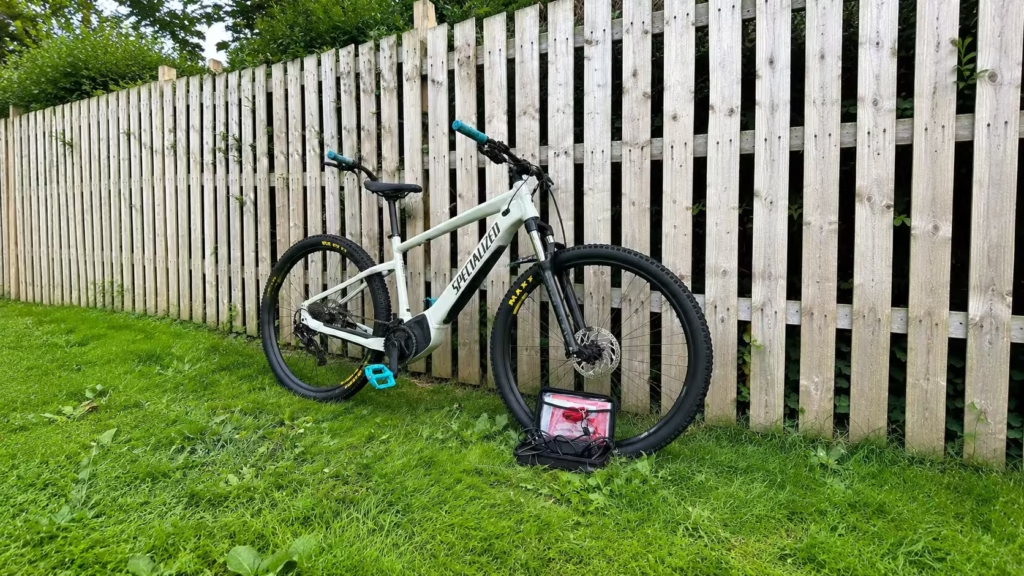
Specialized Turbo Tero 3.0
The Specialized Turbo Tero 3.0 occupies the premium multi-terrain position.
It uses a Turbo Full Power 2.0E mid-drive motor, 110 mm front suspension, a 530 Wh lockable frame battery and advanced anti-theft PIN disabling.

The Tero is engineered for both city streets and light trail use, delivering a hybrid sport-utility character that sets it apart from pure road or pure cargo designs.
Key Electric Bike Specifications
| Model | Motor | Weight / Capacity | Standout Feature | Brake Type | Typical Class |
|---|---|---|---|---|---|
| Lectric XP 3.0 | 500 W (1000 W peak) | 64 lbs folding | Compact storage & rear rack | Hydraulic disc | Class 1, 2 or 3 |
| Ride1UP LMTD V2 | 750 W high-torque | Torque-sensor focus | Smooth natural ride | Hydraulic disc | Class 2 or 3 |
| RadRunner 3 Plus | 750 W rear hub | 350 lb payload | Utility & passenger capacity | Hydraulic disc | Class 2 |
| Tenways CGO600 Pro | 350 W silent | 37 lbs | Ultra-lightweight stealth | Hydraulic disc | Class 1 |
| Specialized Turbo Tero 3.0 | Turbo Full Power 2.0E mid-drive | 530 Wh battery | Multi-terrain capability | Hydraulic disc | Class 1 or 3 (region dependent) |
Motor Power, Performance and Torque
Motor character is one of the greatest differentiators among the top 5 electric bikes.
The Lectric XP 3.0’s 500 W system rewards riders who want straightforward, predictable assistance. It does not deliver the explosive thrust of larger mid-drive units, but its manageable output allows riders to concentrate on traffic flow and storage practicality.
The Ride1UP LMTD V2’s 750 W high-torque motor with torque sensor delivers substantially more responsive low- and mid-range assistance. Instead of demanding constant high cadence, it matches rider effort for a smoother feel.
The RadRunner 3 Plus adds strong rear-hub power focused on load carrying. The Tenways CGO600 Pro prioritizes silent, efficient assistance that preserves a natural bicycle sensation. At the top, the Specialized Turbo Tero’s mid-drive system brings higher-end power delivery and mixed-surface capability.
Consequently, riders should choose among the top 5 electric bikes according to usable assistance rather than simply selecting the highest peak wattage number.
Range, Battery Capacity and Charging
Range varies dramatically across the top 5 electric bikes.
The Lectric XP 3.0 is designed around accessible daily distances and compact battery packaging. The Ride1UP LMTD V2 provides stronger real-world efficiency because of its torque-sensor calibration. The RadRunner 3 Plus prioritizes payload over maximum distance, while the Tenways CGO600 Pro benefits from low weight. The Specialized Turbo Tero’s 530 Wh battery supports longer mixed-terrain rides.

Charging times and exact range figures depend on assist level, rider weight, terrain and temperature. Therefore, real-world comparisons between top 5 electric bikes are more meaningful when based on motor character, typical trip length and intended use rather than one laboratory maximum-range number.
Frame Design, Build Quality and Weight
A powerful motor alone does not make a great electric bike.
Usability comes from the relationship between frame geometry, weight distribution, step-through access, folding mechanisms and overall build quality.
The Lectric XP 3.0 favors compact storage. Its folding design makes direction changes and apartment living relatively easy. The Ride1UP LMTD V2 feels more refined for pure urban distance. The RadRunner 3 Plus pushes further toward heavy-load stability, while the Tenways CGO600 Pro uses extreme lightness. The Specialized Turbo Tero employs more sophisticated chassis technology designed for higher mixed-surface loads.
This progression is one reason the top 5 electric bikes can appeal to riders across different skill levels and living situations without forcing every buyer into the same performance category.
Braking Performance and Suspension
Electric bikes require braking systems that provide both power and feedback.
On lightweight machines, outright braking force is less important than predictable response and easy modulation. As weight, speed and motor performance increase, hydraulic disc brakes and more sophisticated suspension become increasingly important.
All five models in this top 5 electric bikes selection use hydraulic disc brakes. Front suspension travel ranges from none on pure road-focused designs to 100 mm on the Ride1UP and 110 mm on the Specialized Turbo Tero.
Good braking performance is not simply about stopping distance. Riders also need lever feel, consistency during repeated stops and enough feedback to understand what the tires are doing.

Riding Position, Comfort and Daily Usability
One of the most important differences among the top 5 electric bikes is ergonomics.
The Lectric XP 3.0 remains relatively approachable for everyday riding and storage. The Ride1UP LMTD V2 offers a more natural road position. The RadRunner 3 Plus uses a step-through moped-style geometry better suited to cargo and passenger use. The Tenways CGO600 Pro prioritizes a traditional road posture with minimal weight, while the Specialized Turbo Tero moves further toward adventure-oriented ergonomics.
This matters because the bicycle that feels perfect during a 20-minute commute may feel less comfortable during a long multi-stop utility day.
Anyone comparing these machines should therefore consider wrist pressure, knee angle, seat design, heat management from the motor, wind exposure and typical trip distance.
Real-world ownership often depends more on these factors than headline motor wattage.
Rider Technology, Displays and Safety Features
Current top 5 electric bikes may incorporate systems such as
- Torque or cadence sensors
- Multiple assist levels
- Integrated displays
- Hydraulic disc brakes
- Lockable batteries
- Anti-theft PIN systems
- Integrated lighting
Exact systems differ substantially between models and markets.
The advantage of these technologies is not that they eliminate rider responsibility. Rather, they allow the bicycle’s response to be tailored for different conditions and rider preferences.
On higher-output models, sophisticated sensors can also help make strong assistance feel more natural and controllable.
Approximate Pricing Table (2026)
| Model | Approximate Starting Price (USD) | Position in Lineup |
|---|---|---|
| Lectric XP 3.0 | $999 – $1,199 | Most accessible / best value folding |
| Ride1UP LMTD V2 | $1,195 – $1,595 | Strong mid-range torque-sensor option |
| Tenways CGO600 Pro | $1,599 – $1,899 | Premium lightweight / stealth |
| RadRunner 3 Plus | $2,099 – $2,299 | Utility & high-payload specialist |
| Specialized Turbo Tero 3.0 | Around $2,750 | Premium multi-terrain |
Top 5 Electric Bikes vs Regular Bicycles
The difference between assisted and non-assisted machines is particularly easy to understand.
Regular bicycles generally offer lower purchase price, simpler maintenance and pure human-powered fitness. Electric bikes generally provide better hill-climbing ability, reduced sweat on longer commutes, higher average speeds and greater load-carrying potential.
Neither layout is automatically superior. The choice depends on distance, terrain, fitness goals and daily practicality.
Top 5 Electric Bikes vs Electric Scooters
Electric scooters prioritize standing posture, minimal storage footprint and very low weight. The top 5 electric bikes prioritize seated comfort, higher payload potential, better lighting packages and more stable handling at speed.
A rider covering mixed urban distances with occasional cargo will usually prefer an electric bike. A rider focused purely on the shortest last-mile trips may prefer a scooter.

Fitness, Lifestyle and Environmental Impact
Electric bikes can support fitness by encouraging more frequent riding while still providing assistance on hills or longer distances. Many owners report replacing short car trips, which reduces local emissions and parking demand.
The environmental benefit is greatest when the electricity used for charging comes from lower-carbon sources and when the bicycle genuinely displaces motor-vehicle miles.
Future Trends in Electric Bikes
The future electric-bike market is likely to become increasingly technology-driven.
Manufacturers must balance performance with regulations, weight limits, affordability and changing rider expectations.
Several trends are already shaping the category:
- More sophisticated torque sensors
- Greater use of mid-drive systems
- Improved battery integration and security
- Advanced lighting and connectivity
- Lightweight materials
- Growing focus on usable middleweight and utility performance
- Increased crossover between road, cargo and light adventure platforms
Middleweight and utility machines are likely to remain particularly important because they can offer impressive real-world capability without the extreme operating costs associated with the heaviest or highest-power designs.
The current top 5 electric bikes demonstrate that assisted bicycles do not have to follow a single formula.
The Lectric XP 3.0 delivers accessible folding performance suitable for developing riders and space-constrained owners. The Ride1UP LMTD V2 adds substantially more refined torque delivery without moving into extreme territory. The RadRunner 3 Plus brings high-payload utility capability, the Tenways CGO600 Pro prioritizes ultra-light stealth efficiency, and the Specialized Turbo Tero represents more specialized multi-terrain engineering.
Among modern top 5 electric bikes, the best choice ultimately depends on where and how the machine will be ridden. Riders who prioritize affordability and compact storage may prefer the Lectric XP 3.0. Those wanting smoother urban performance can consider the Ride1UP LMTD V2 or Tenways CGO600 Pro, while riders seeking maximum cargo capacity or mixed-surface ability will naturally look toward the RadRunner 3 Plus or Specialized Turbo Tero where available.