Electric Bike USA The Complete Guide to E-Bikes in 2026




The electric bike USA market has moved beyond a niche transport trend. E-bikes now serve commuters, families, delivery riders, recreational cyclists, and people replacing short car trips. Better batteries, refined motors, and specialized frames have made electric bicycles more practical across the United States, Europe, and other markets.
Choosing well requires more than checking claimed range or top speed. Motor design, battery size, braking, legal class, comfort, service access, and ownership costs all matter.
What Is an Electric Bike?
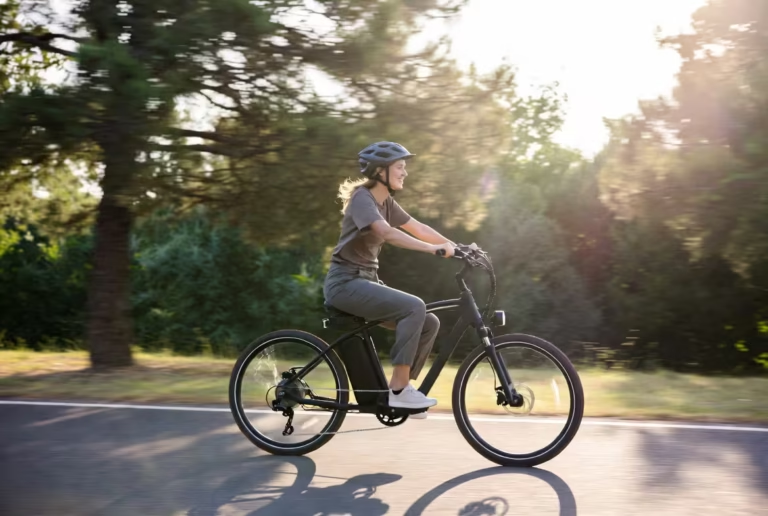
An e-bike is a bicycle fitted with an electric motor, rechargeable battery, controller, and rider interface. The motor supports the rider while pedaling, although some models also include a throttle.
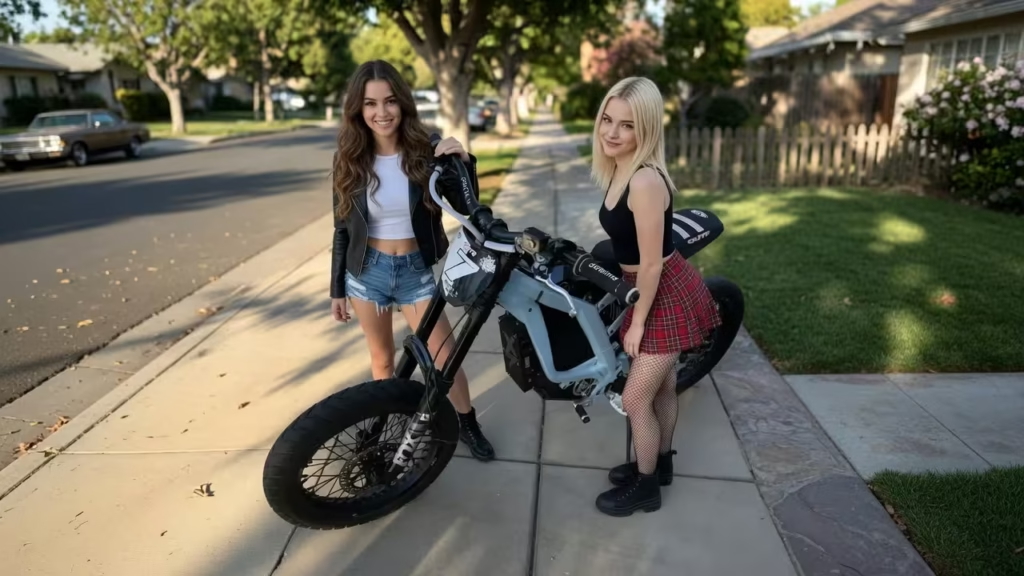
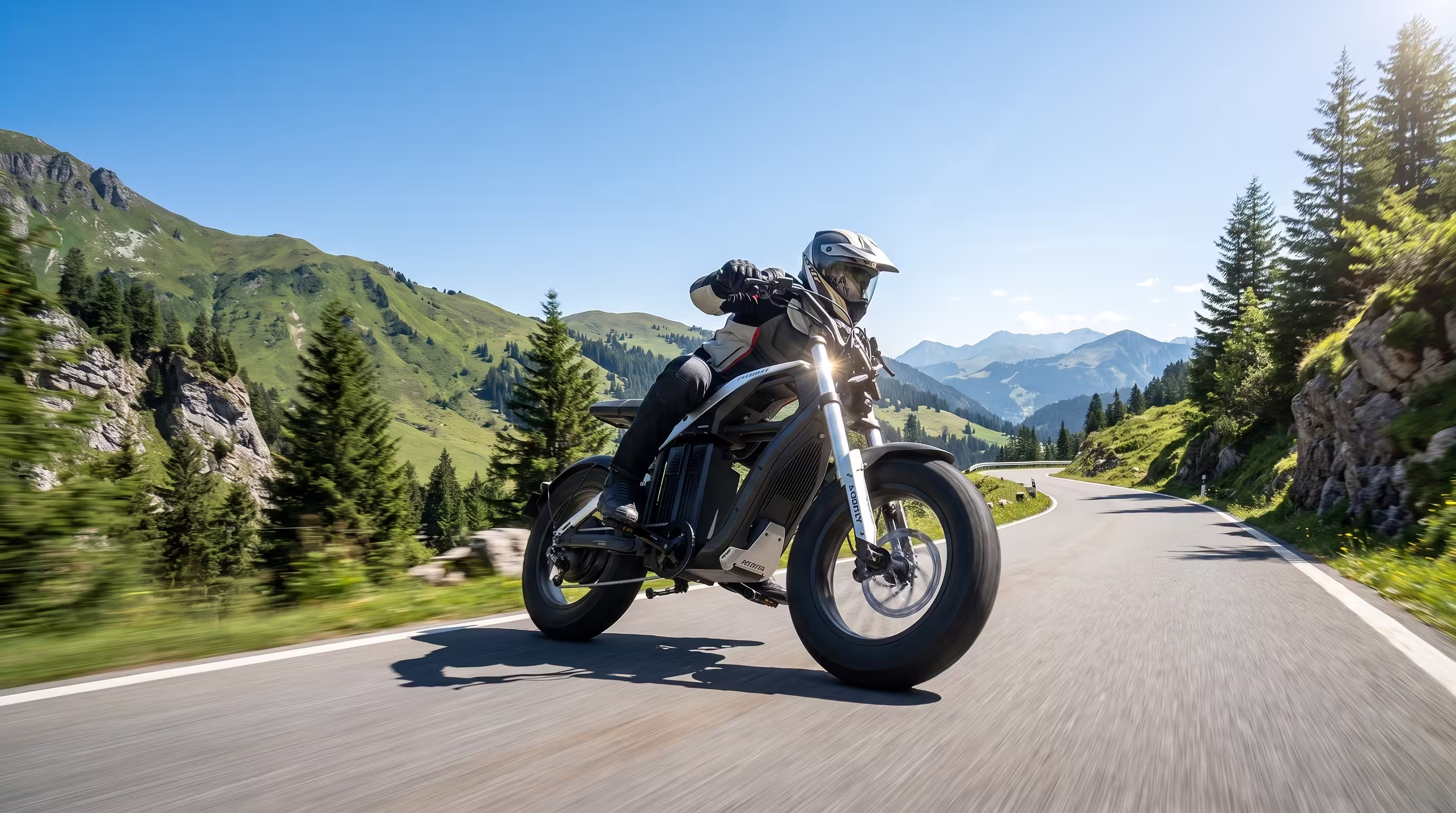
Unlike an electric motorcycle, an e-bike retains functional pedals. The rider can use low assistance for exercise, increase support on hills, or switch the motor off and ride it like a conventional bicycle.
The appeal of electric bike USA models is flexibility. They reduce commuting effort, extend practical riding distance, and help carry children, groceries, or work equipment.

Electric Bike USA Classes Explained
The American market commonly groups e-bikes into three classes. Local rules can vary, so buyers should check state and municipal requirements.
Class 1 Electric Bikes
Class 1 models provide pedal assist only. The motor supports the rider while pedaling and stops assisting at 20 mph. These bikes are widely used for commuting, leisure riding, and shared paths where permitted.
Class 2 Electric Bikes
Class 2 models can include a throttle that powers the bike without pedaling. Motor assistance generally stops at 20 mph. They are useful for riders who want easier starts in traffic or occasional relief from pedaling.
Class 3 Electric Bikes
Class 3 e-bikes provide pedal assistance up to 28 mph. They are often designed for faster road commuting. Access rules can be stricter, and throttle treatment differs by location.
European regulations use a different structure. Standard electrically assisted bicycles are commonly limited to lower assisted speeds and motor ratings than many American models. Faster speed-pedelec categories may require extra registration, equipment, or licensing depending on the country.
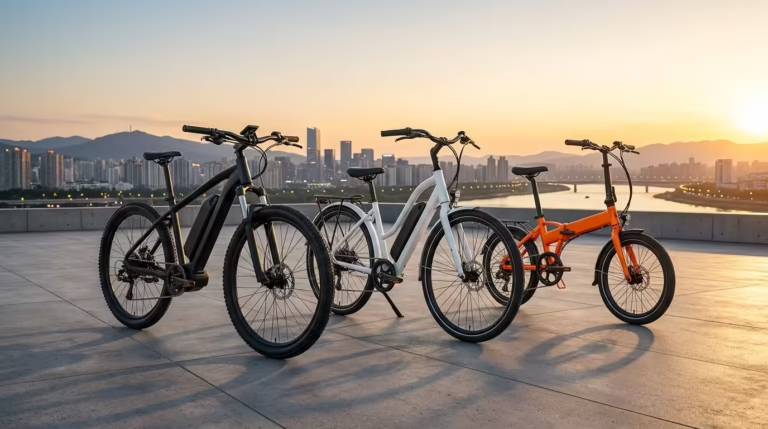
Main Types of E-Bikes
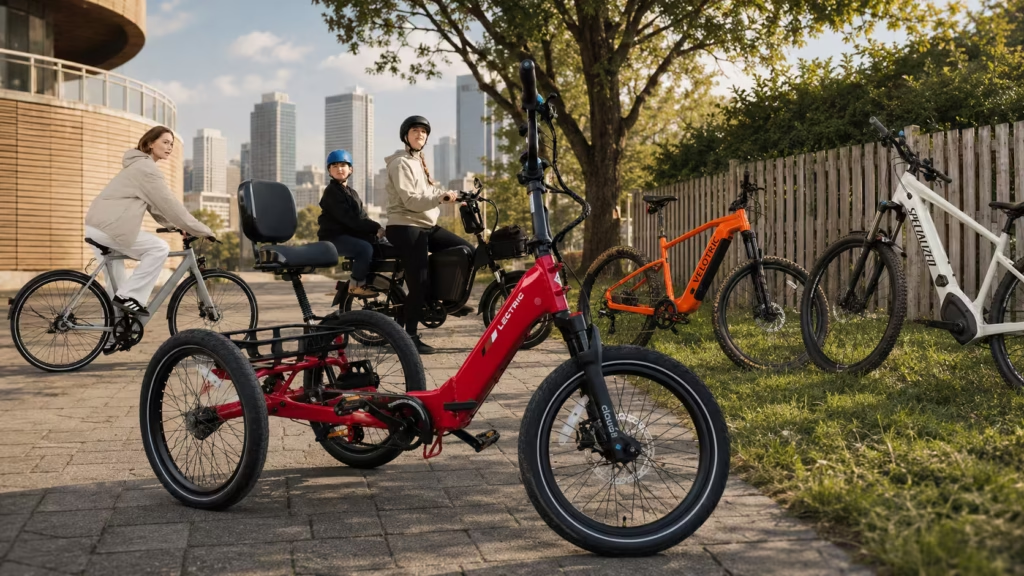
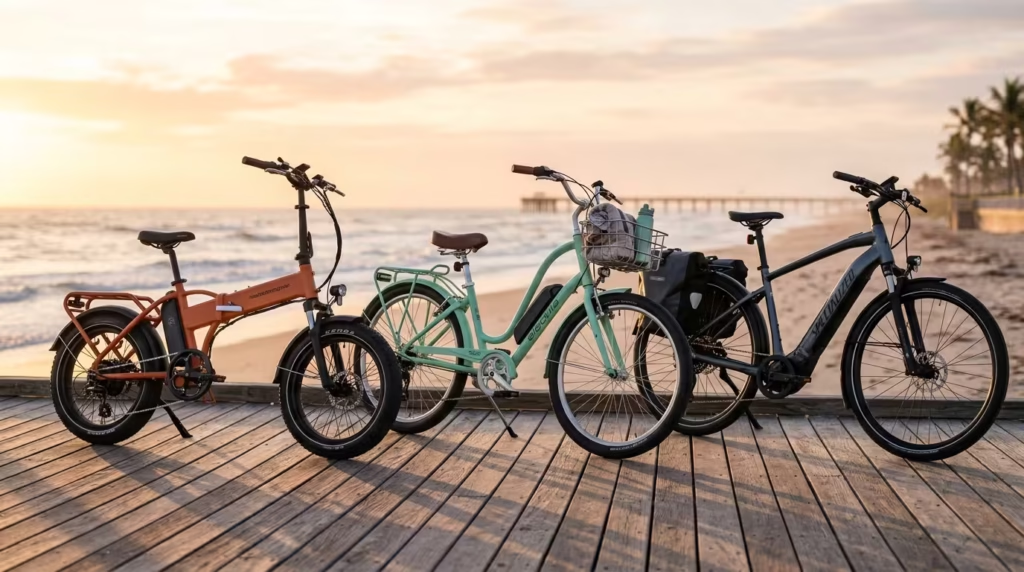
The best electric bike USA choice depends on where, how, and how often the rider plans to travel.
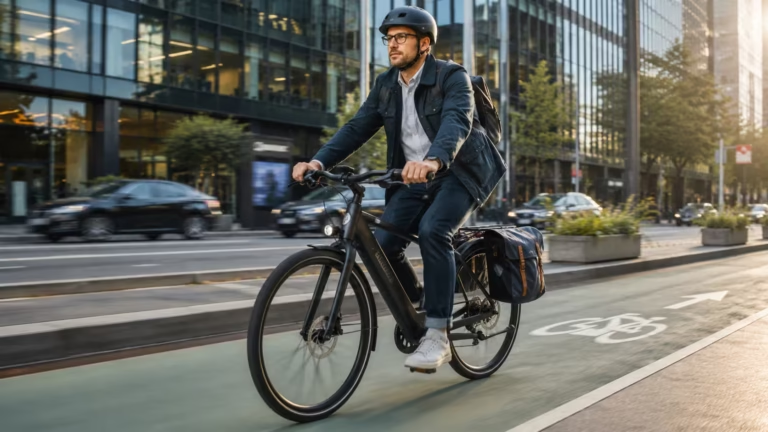
Commuter E-Bikes
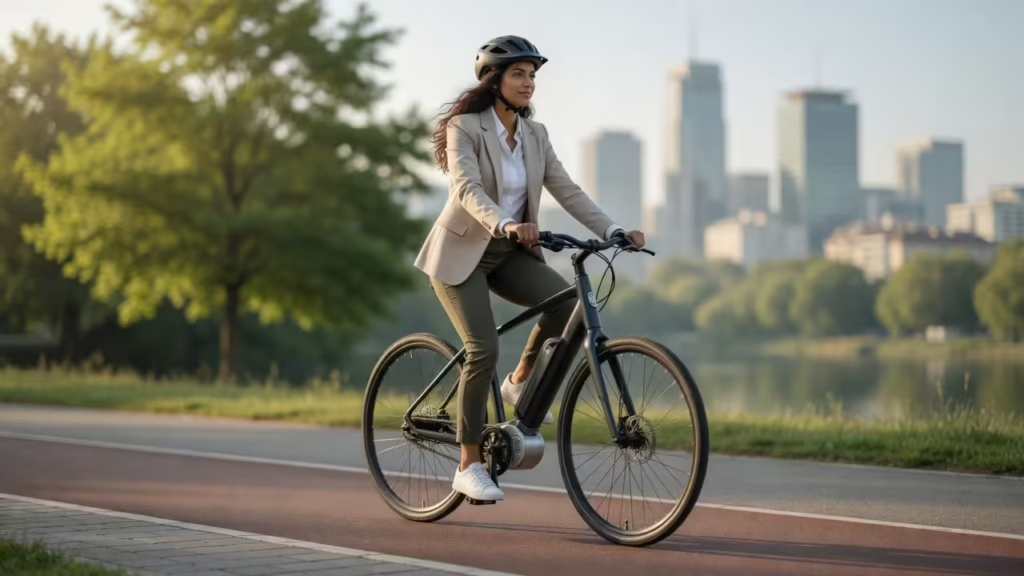
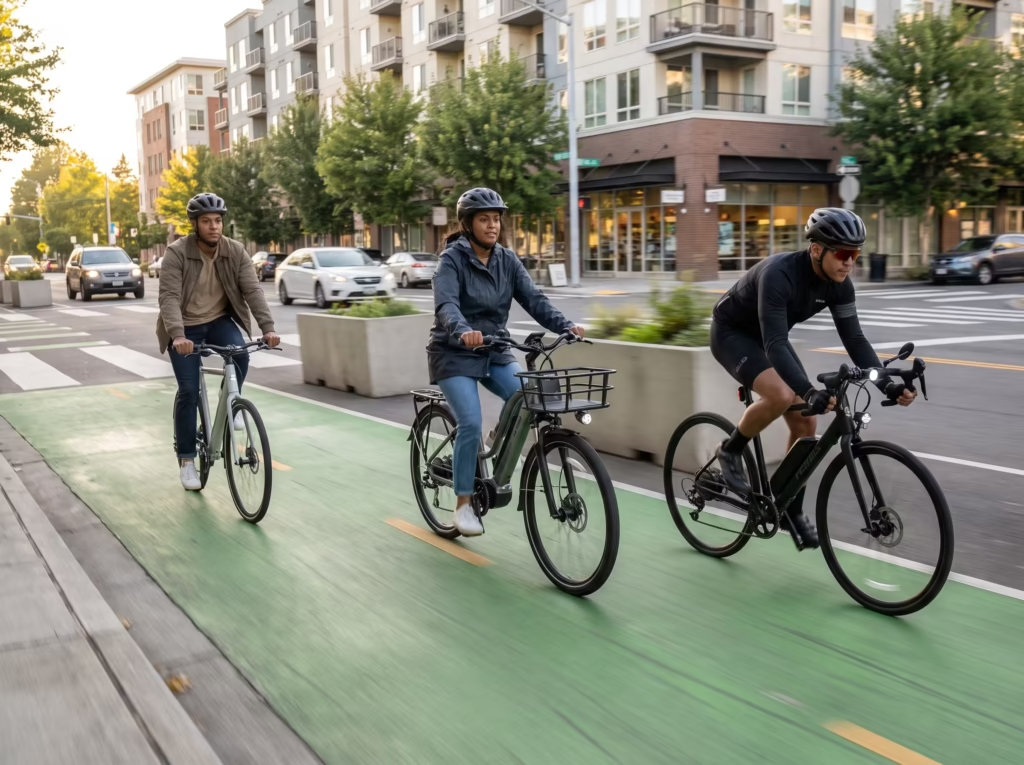
Commuter e-bikes prioritize reliable range, upright comfort, lights, fenders, racks, and predictable road handling.
Folding E-Bikes
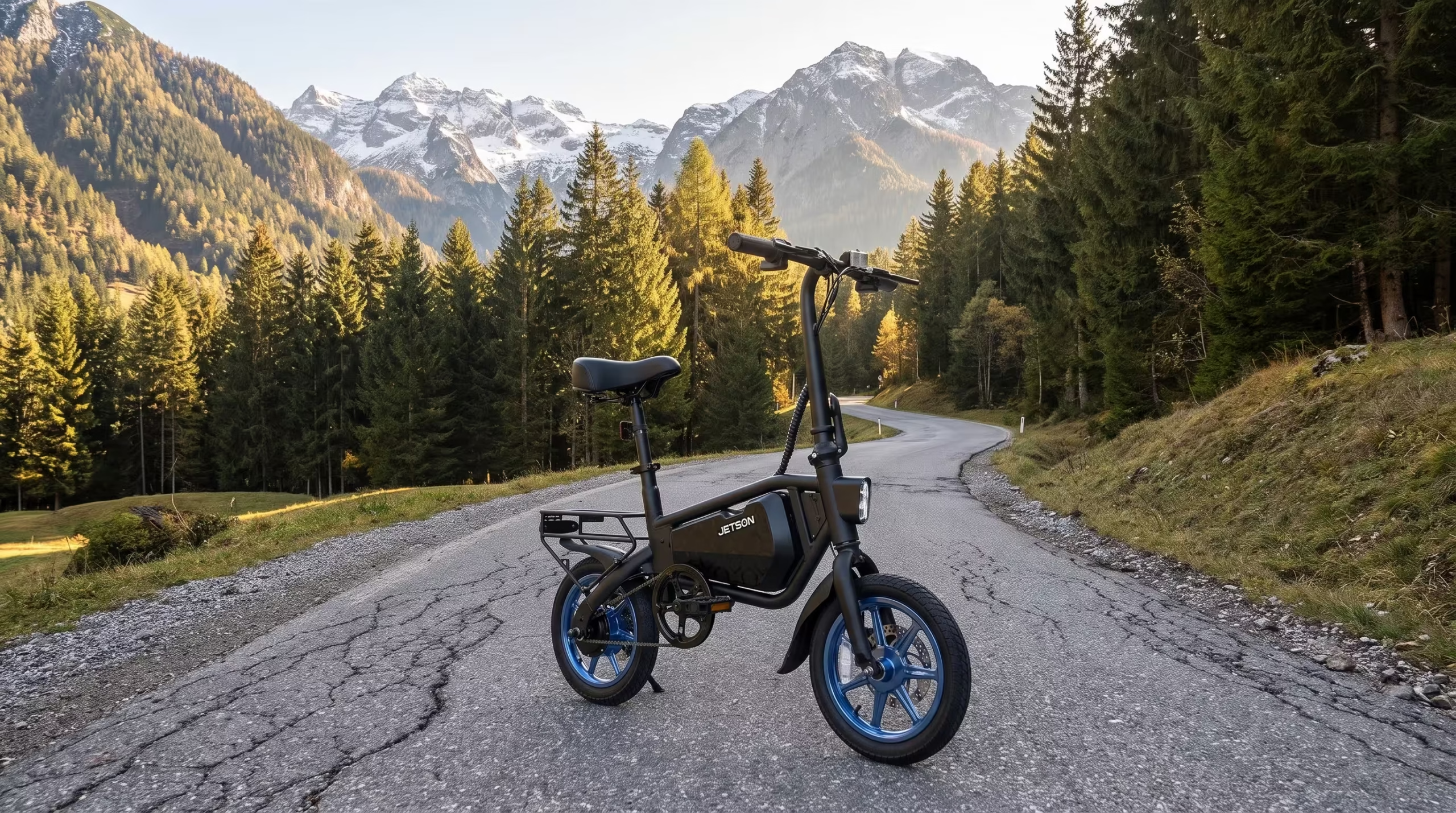
Folding e-bikes suit apartments, mixed public transport, RV travel, and offices. Check folded dimensions and total weight because compact does not always mean easy to carry.
Cargo E-Bikes
Cargo e-bikes use long-tail frames, rear platforms, or front boxes for children, groceries, and equipment. Strong brakes, stable handling, and load-rated tires are essential.
Electric Mountain Bikes
Electric mountain bikes add trail geometry, wider tires, and suspension. They climb efficiently, although trail access varies by region.
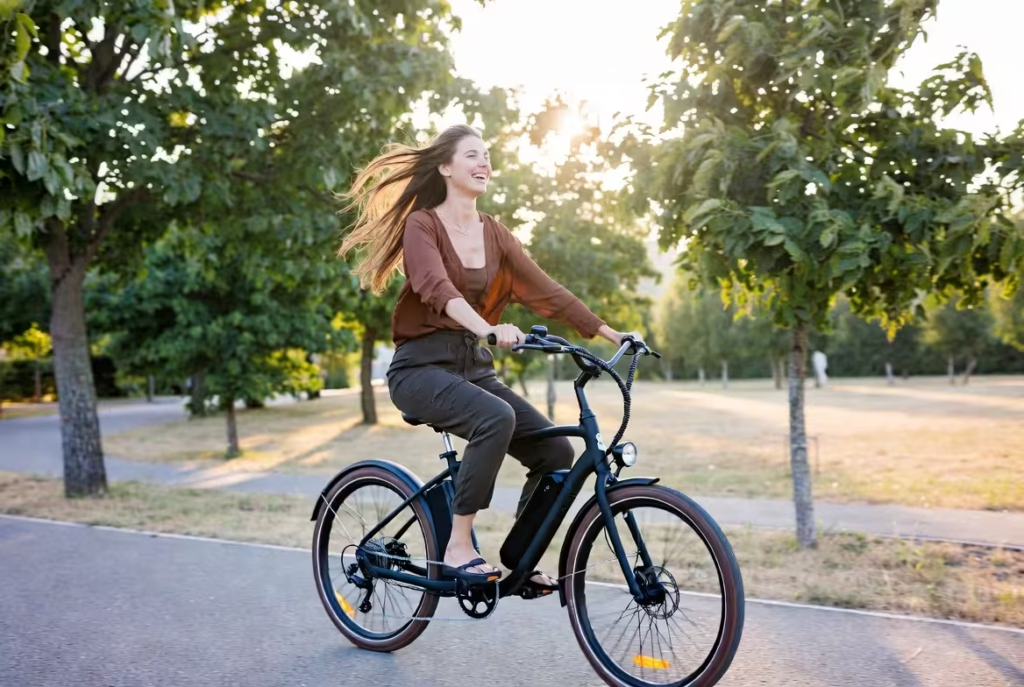
Cruiser and Comfort E-Bikes
Cruisers emphasize relaxed seating, wide saddles, and easy neighborhood handling.
Motor Power, Torque, and Pedal Assist
Motor wattage receives plenty of attention, yet wattage alone does not explain how an e-bike feels. Controller tuning, gearing, motor location, rider weight, and torque delivery can be equally important.
Hub motors sit in a wheel and are common on affordable electric bike USA models. Mid-drive motors sit near the crank and use the bicycle’s gears, often giving more natural hill performance but increasing cost and drivetrain wear.
Torque affects climbing, acceleration, and cargo ability. Smooth delivery matters as much as the highest figure. Multiple pedal-assist levels let riders balance effort, speed, and energy use.
Battery Capacity, Riding Range, and Charging
Battery capacity is measured in watt-hours. A larger battery can support longer rides but adds weight and cost.
Range claims should be treated as estimates. Actual range changes with:
- Rider and cargo weight
- Terrain and elevation
- Tire pressure and tread
- Temperature and wind
- Assist level and throttle use
- Average speed and stop frequency
- Battery age and condition

For an electric bike USA commuter, the most useful question is not the maximum advertised range. It is whether the bike can complete the normal round trip with a comfortable reserve.
Charging time depends on battery size and charger output. Removable batteries help apartment residents and office commuters, while integrated batteries create a cleaner frame but may be less convenient.
Top Speed and Real-World Performance
Top speed is shaped by legal class, motor programming, gearing, road conditions, and rider input. Class 1 and Class 2 bikes typically stop motor assistance at 20 mph, while Class 3 support can continue to 28 mph.
Higher speed is not automatically better. Stability, braking, tire quality, and visibility often matter more. A balanced electric bike USA model should remain controlled over rough pavement and manageable without motor support.
Frame Design and Build Quality
Frame geometry affects comfort and load handling. Step-through frames ease mounting, while step-over designs feel more traditional.
Buyers should inspect:
- Weld quality and frame alignment
- Battery mounting security
- Cable routing
- Rack and accessory mounting points
- Maximum total load
- Water-resistance information
- Replacement parts availability

Weight matters because a heavy e-bike can be difficult to carry upstairs, mount on a rack, or pedal without assistance.
Brakes, Suspension, and Ride Comfort
Because e-bikes are heavier and often faster than regular bicycles, braking performance deserves close attention. Hydraulic disc brakes usually provide stronger, more consistent control than basic mechanical systems. Rotor size, tire grip, total weight, and brake-pad quality also influence stopping performance.

Suspension improves comfort on rough roads and trails but adds cost and weight. Urban riders may prefer wider tires, ergonomic grips, or a suspension seatpost. Proper frame size, reach, and saddle height remain essential for an electric bike USA commuter.
Displays, Apps, and Smart Connectivity
Displays commonly show speed, battery level, distance, and assist mode. Advanced systems may add navigation, phone integration, updates, and theft alerts.
Important functions should still work without an app, and replacement displays should remain available.
Safety, Lighting, and Visibility
Good e-bikes should have secure battery mounting, quality connectors, electrical protection, and components matched to their speed and weight. Recognized battery and electrical-system testing adds confidence.
Integrated lights draw power from the main battery. Reflective tires, brake lights, indicators, and side visibility are valuable in traffic. The headlight should illuminate the road, while the rear light should remain visible in rain and darkness.
Key Specifications to Compare Before Buying
The table below helps compare major electric bike USA categories. Exact performance depends on the manufacturer, local regulations, rider weight, and riding conditions.
| E-Bike Type | Best Use | Motor Character | Battery Priority | Comfort Features | Main Trade-Off |
|---|---|---|---|---|---|
| Commuter | Daily travel and errands | Smooth, efficient support | Reliable round-trip range | Fenders, lights, rack, upright fit | Moderate weight |
| Folding | Apartments and mixed transport | Compact and practical | Easy indoor charging | Adjustable cockpit, small footprint | Smaller wheels and carrying weight |
| Cargo | Children, groceries, equipment | Strong low-speed torque | High capacity and durability | Stable frame, strong brakes, load accessories | Size and purchase cost |
| Mountain | Trails and steep terrain | Responsive climbing support | Heat management and usable trail range | Suspension, wide tires, strong brakes | Higher maintenance |
| Cruiser | Leisure and neighborhood riding | Gentle, relaxed assistance | Moderate range | Wide saddle, upright posture | Less efficient at higher speeds |
| Speed Commuter | Longer road commutes | Strong acceleration and sustained assist | Larger energy reserve | Road tires, powerful brakes, lights | Stricter access rules |
E-Bikes Versus Regular Bicycles
A regular bicycle is lighter, simpler, cheaper to maintain, and easier to transport. An e-bike makes hills, wind, heat, and longer distances easier, although it costs more and adds weight and electronics.
For riders comparing a conventional bicycle with an electric bike USA model, trip distance and frequency matter most. Regular bikes suit short leisure rides, while e-bikes are often more practical for commuting and carrying loads.
E-Bikes Versus Electric Scooters
Electric scooters are compact and convenient for short trips, but small wheels can feel less stable on rough surfaces.
E-bikes offer seated comfort, larger wheels, greater load capacity, and the option to pedal. The better choice depends on trip length, storage, road quality, local rules, and exercise goals.
How to Compare Competing E-Bikes
Competitor comparisons should go beyond advertised wattage and range. When reviewing two electric bike USA models, compare:
- Motor placement and hill performance
- Usable battery capacity
- Bike weight and load rating
- Brake type and tire quality
- Included lights, rack, and fenders
- Warranty terms and service network
- Replacement battery cost
- App dependence and software support
- Dealer access and parts availability
- Comfort during a real test ride
A lower-priced model can become expensive if replacement parts are difficult to find. Conversely, a premium model may justify its price through better fit, service, braking, and long-term support.
Real-World Commuting Experience
In daily use, small details matter. A stable kickstand helps loading, fenders protect clothing, a rear rack reduces backpack strain, and walk-assist helps move a heavy bike.
For a practical electric bike USA commute, consider parking, charging, weather protection, battery removal, and low-speed maneuvering.

Fitness and Lifestyle Benefits
E-bikes still require movement when pedal assistance is used. Riders can choose lower support for exercise or higher support when tired.
This flexibility may encourage more frequent riding and make group rides more inclusive for people with different fitness levels.

Maintenance and Ownership Costs
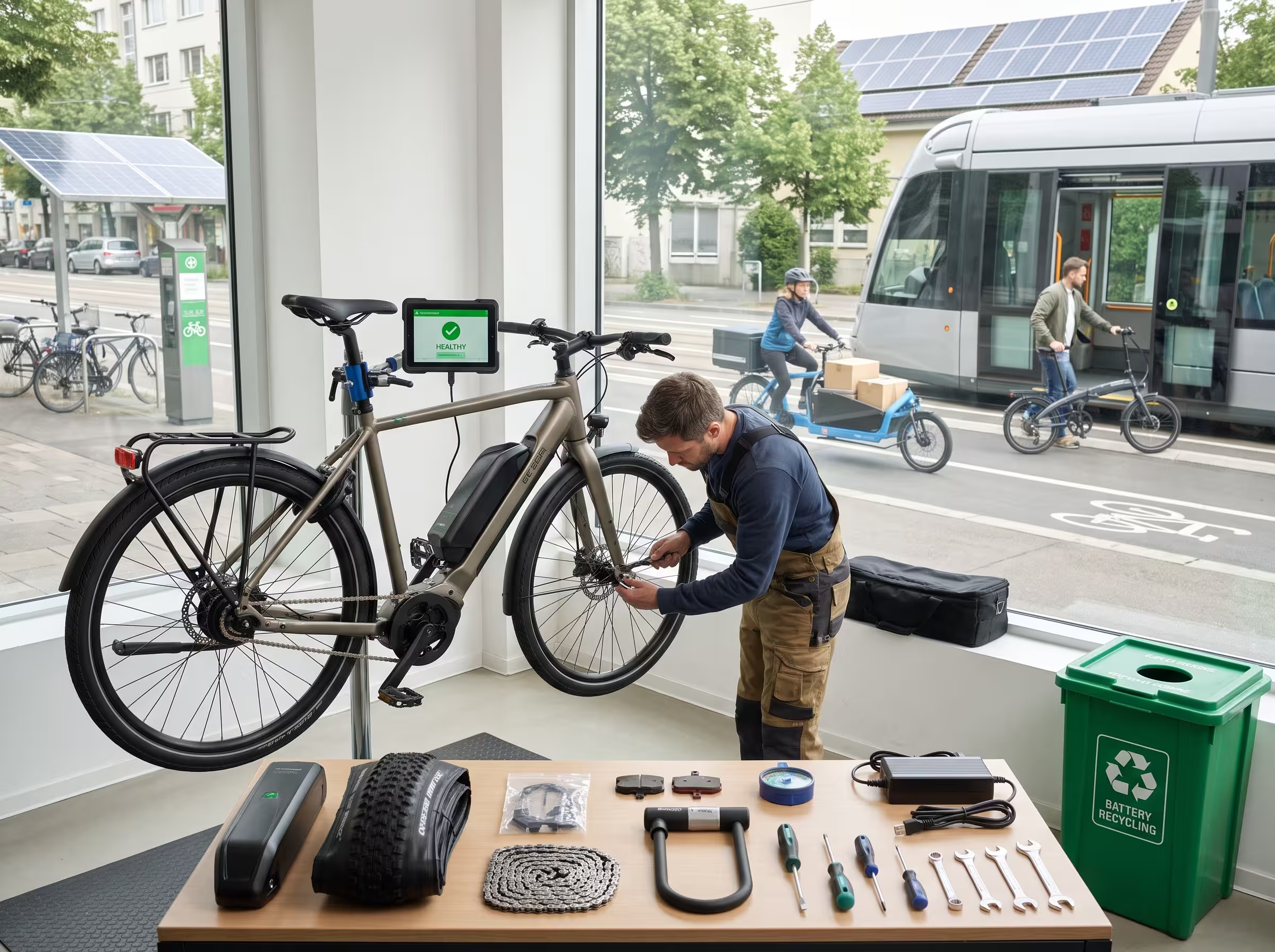
Routine maintenance covers tires, brakes, chain lubrication, drivetrain adjustment, and fasteners. Mid-drives can increase chain and cassette wear, while heavier bikes may consume brake pads and tires faster.
Battery replacement is often the largest long-term electronic cost.
The total ownership cost of an electric bike USA model includes:
- Purchase price
- Accessories and locks
- Insurance where desired
- Regular bicycle servicing
- Brake, tire, and drivetrain replacement
- Electricity for charging
- Possible battery replacement
- Transport or storage equipment
Higher purchase costs may be offset by lower spending on fuel, parking, transit, or short car journeys.
Pricing and Worldwide Availability
Pricing varies by motor, battery quality, frame construction, components, support, and included accessories.
Entry-level models focus on transport, mid-range bikes improve braking and comfort, and premium models may add sophisticated mid-drives, larger batteries, connected features, or lighter materials.
The electric bike USA market includes direct-to-consumer brands, local bicycle shops, specialty dealers, and major retailers. Europe has a mature e-bike network with strong commuter, trekking, cargo, and speed-pedelec segments.
Availability is also expanding across Canada, Asia, Australia, Latin America, and the Middle East.
Service access should influence the purchase. A bike that looks competitive online may be less attractive if local technicians cannot diagnose its electronics or source replacement parts.
Environmental and Market Impact
E-bikes use less material and energy than full-size electric cars. When they replace short vehicle trips, they can reduce congestion, parking demand, and local tailpipe emissions.
Benefits still depend on battery production, electricity sources, durability, and recycling. Repairable bikes with replaceable batteries can deliver better lifetime value.
The electric bike USA sector is also influencing city planning, delivery services, tourism, and bicycle retail.
Future Trends in Electric Mobility
Future e-bikes are likely to become lighter, more connected, and easier to service. Battery management may improve range accuracy and lifespan, while theft protection may combine GPS, motion alerts, and digital locks.
Automatic shifting, modular cargo systems, recycled materials, and public-transport integration should also grow.
The strongest future electric bike USA models will not simply offer more power. They will balance dependable performance, legal compliance, rider comfort, serviceability, and responsible battery design.
The electric bike USA market now offers commuter, folding, cargo, mountain, cruiser, and speed-focused models for very different riders.
The best choice is not always the bike with the largest battery or motor rating. Focus on legal class, fit, braking, usable range, service support, component quality, and ownership cost.
A carefully selected e-bike can improve commuting, everyday mobility, and riding frequency.