Car Luxury Brands Understanding the Tiers of Automotive Prestige


Car luxury brands occupy several distinct tiers within the automotive market, ranging from everyday premium manufacturers to ultra-exclusive coachbuilders. These brands differ not only in price but in philosophy, craftsmanship, performance focus, and the type of ownership experience they deliver. Understanding the differences helps buyers identify which level of luxury aligns with their priorities, whether that is ultimate opulence, refined daily usability, or high-performance prestige.
The luxury car landscape can be divided into three broad categories: Ultra-Luxury & Pinnacle Brands, Core & High-Volume Luxury Brands, and Luxury Performance & Sports Brands. Each tier serves a different purpose and appeals to a different type of customer. This guide examines the leading names in each group and explains what sets them apart.
Ultra-Luxury & Pinnacle Brands
These heritage brands build elite, hand-crafted vehicles that prioritize bespoke customization, maximum prestige, and ultimate cabin opulence. Production volumes are intentionally low, and the ownership experience often includes extensive personalization options that go far beyond standard configuration lists.
Rolls-Royce
Rolls-Royce is renowned for unmatched ride smoothness, whisper-quiet cabins, and iconic models such as the Rolls-Royce Phantom. The brand represents the pinnacle of automotive luxury for many buyers. Every element is engineered to isolate occupants from the outside world while surrounding them with the finest materials and meticulous attention to detail.
Ownership of a Rolls-Royce is as much about the experience and status as it is about transportation. The brand’s focus on serenity, craftsmanship, and exclusivity places it firmly at the top of the car luxury brands hierarchy.
Mercedes-Maybach
Mercedes-Maybach operates as the absolute highest-tier sub-brand of Mercedes-Benz. It engineers extended-wheelbase limousines designed to rival traditional coachbuilders. Maybach models emphasize rear-passenger comfort, advanced technology, and an elevated sense of occasion.
By leveraging Mercedes-Benz engineering while adding exclusive design, materials, and features, Maybach provides a more accessible entry into the ultra-luxury tier for buyers who already appreciate the parent brand.

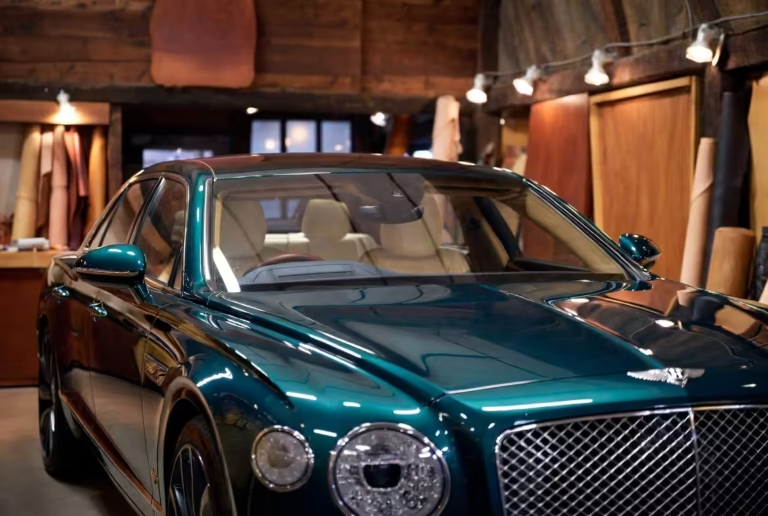
Bentley
Bentley combines hand-stitched traditional British craftsmanship with effortless, high-performance engines. The brand successfully balances luxury and dynamic capability, offering cars that feel special both when driven enthusiastically and when used for long-distance travel.
Bentley’s interiors are known for their rich materials and extensive customization possibilities. The result is a grand-touring character that appeals to buyers who want prestige without completely sacrificing driving engagement.
Core & High-Volume Luxury Brands
These dominant manufacturers define global luxury by blending high production quality, cutting-edge infotainment technology, and robust daily driveability. They produce vehicles in greater numbers than the ultra-luxury brands while still delivering premium materials, strong residual values, and advanced features.
Mercedes-Benz
Mercedes-Benz pioneers automotive safety and interior innovation, epitomized by its flagship Mercedes-Benz S-Class. The brand consistently sets standards for comfort, technology, and prestige in the mainstream luxury segment.
From executive sedans to SUVs and performance AMG models, Mercedes-Benz offers one of the broadest lineups among car luxury brands, making it a frequent choice for buyers seeking a complete premium ownership experience.

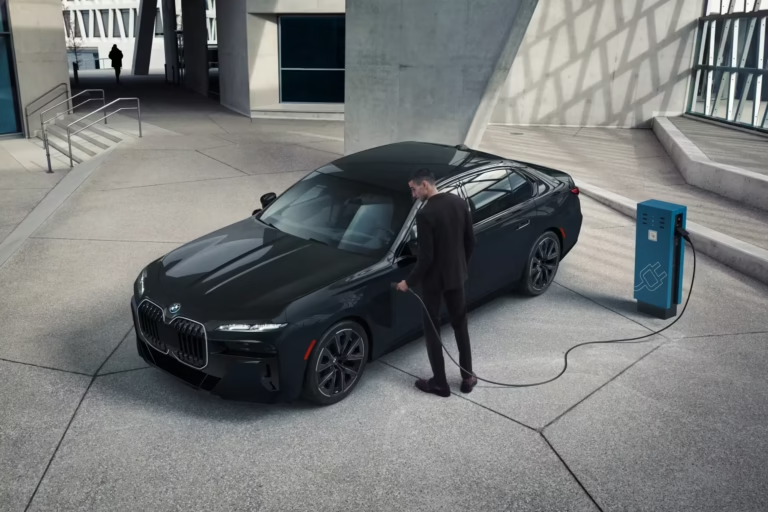
BMW
BMW markets its lineup around the “Ultimate Driving Machine” philosophy, blending luxury with dynamic handling. The brand places greater emphasis on driver engagement than some of its rivals while still delivering high-quality interiors and advanced technology.
This focus on driving dynamics attracts customers who want their luxury vehicle to feel responsive and involving rather than purely isolating.

Audi
Audi differentiates itself through sleek minimalist designs, advanced digital cockpits, and its signature Quattro all-wheel-drive technology. The brand is often praised for interior design coherence and technological integration.
Audi’s approach appeals to buyers who value modern aesthetics, all-weather confidence, and a refined yet contemporary luxury experience.

Lexus
Lexus was created by Toyota to offer top-tier cabin refinement matched with industry-leading mechanical reliability. The brand has built a strong reputation for quiet, comfortable vehicles that require minimal unscheduled maintenance.
For many buyers, Lexus represents a more ownership-focused interpretation of luxury, prioritizing long-term dependability alongside premium materials and features.

Genesis
Genesis is a rapidly growing disruptor brand from Hyundai that has won critical acclaim for offering high-end features at competitive prices. It challenges established luxury names by delivering strong equipment levels, distinctive design, and solid value.
Genesis has quickly earned a place among serious car luxury brands by focusing on design, technology, and customer experience.

Luxury Performance & Sports Brands
These manufacturers prioritize track-ready speed and precise engineering without sacrificing premium interior materials. They appeal to enthusiasts who want both performance credentials and the refinement expected of a luxury purchase.
Porsche
Porsche sets the global gold standard for sports car engineering with icons like the Porsche 911 while also offering top-tier luxury SUVs. The brand successfully spans pure sports cars and practical high-performance vehicles without diluting its reputation for driving excellence.

Porsche occupies a unique position among car luxury brands by delivering genuine performance credibility alongside everyday usability in many of its models.
Aston Martin
Aston Martin merges distinctive British secret-agent styling with powerful front-engine grand tourers. The brand emphasizes beauty, exclusivity, and emotional appeal alongside strong performance.
Aston Martin cars are often chosen as much for their design and presence as for their dynamic capabilities.
Maserati
Maserati incorporates highly expressive Italian styling alongside loud, performance-tuned exhaust notes. The brand delivers a more theatrical interpretation of luxury performance that prioritizes character and sensory engagement.

Ferrari & Lamborghini
Ferrari and Lamborghini are exotic supercar brands that anchor the peak of the global performance luxury market. These names represent the extreme end of the spectrum, where performance, exclusivity, and emotional impact take precedence over practicality.
Ownership of either brand places the buyer in a highly exclusive segment of car luxury brands defined by limited production and intense driving experiences.
Car Luxury Brands Tier Comparison
| Tier | Brands | Primary Focus | Typical Buyer Priority |
|---|---|---|---|
| Ultra-Luxury & Pinnacle | Rolls-Royce, Bentley, Mercedes-Maybach | Bespoke craftsmanship, maximum opulence | Prestige, exclusivity, serenity |
| Core & High-Volume Luxury | Mercedes-Benz, BMW, Audi, Lexus, Genesis | Daily luxury, technology, reliability | Balanced premium ownership |
| Luxury Performance & Sports | Porsche, Aston Martin, Maserati, Ferrari, Lamborghini | High performance with premium materials | Driving excitement + status |
How to Choose Among Car Luxury Brands
Selecting the right brand begins with clarifying priorities. Buyers seeking the quietest cabin and highest level of personalization often look to the ultra-luxury tier. Those who want a refined daily driver with strong technology and broader model choices typically turn to the core luxury brands. Enthusiasts who value handling, acceleration, and emotional design gravitate toward the performance-oriented names.
Budget, intended use, desired image, and willingness to accept higher running costs all influence the decision. A Porsche or BMW may feel more engaging on a winding road, while a Rolls-Royce or Maybach prioritizes isolation and presence. Lexus often appeals to buyers who want luxury with minimal ownership friction, whereas Genesis attracts those seeking maximum equipment for the money.
Ownership Realities Across the Tiers
Higher tiers generally bring higher purchase prices, insurance costs, and maintenance expenses. Ultra-luxury and exotic brands often involve longer wait times for bespoke orders and more specialized service requirements. Core luxury brands tend to offer more accessible service networks and a wider range of ownership options, including certified pre-owned programs.
Residual values vary by brand and model, but strong demand for well-regarded luxury vehicles can help protect long-term value. Test driving remains essential, as the differences in ride character, interior ambience, and driving feel between these car luxury brands are substantial.
Car luxury brands span a wide spectrum from hand-crafted ultra-luxury icons to high-volume premium manufacturers and high-performance specialists. Rolls-Royce, Bentley, and Mercedes-Maybach define the pinnacle of opulence and exclusivity. Mercedes-Benz, BMW, Audi, Lexus, and Genesis deliver refined daily luxury at varying price points and philosophies. Porsche, Aston Martin, Maserati, Ferrari, and Lamborghini cater to buyers who want performance credentials alongside premium materials and prestige.
Understanding these tiers allows buyers to match a brand’s core strengths to their personal priorities. Whether the goal is ultimate serenity, engaging dynamics, cutting-edge technology, or exotic exclusivity, the world of car luxury brands offers a clear hierarchy of choices.
Which tier of car luxury brands appeals most to you, and which specific brand stands out? Share your thoughts in the comments below. If you enjoy exploring luxury and performance vehicles, subscribe for more in-depth brand and model guides.