Ducati Bikes Best Sports, Naked and Adventure Models to Know in 2026


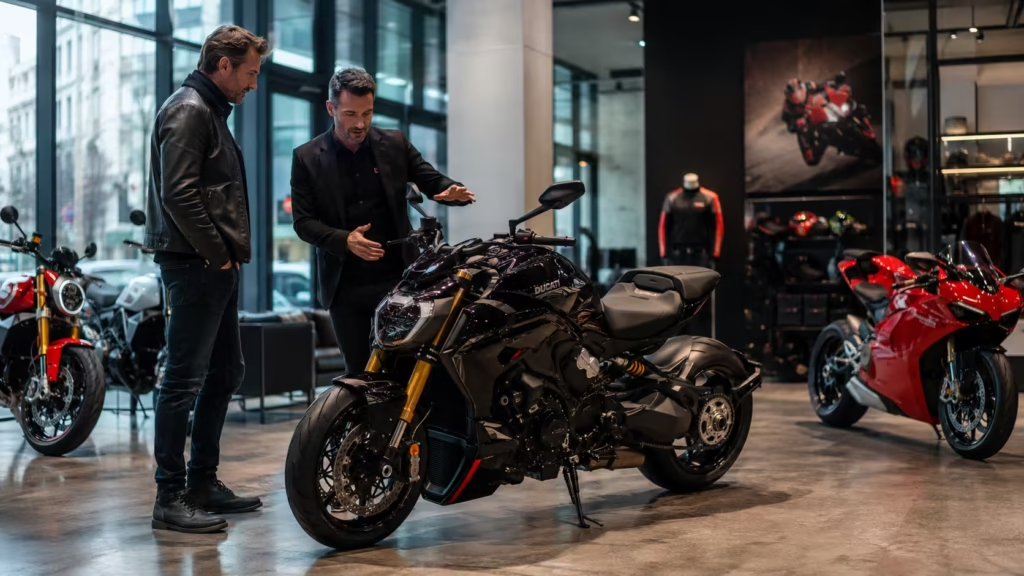


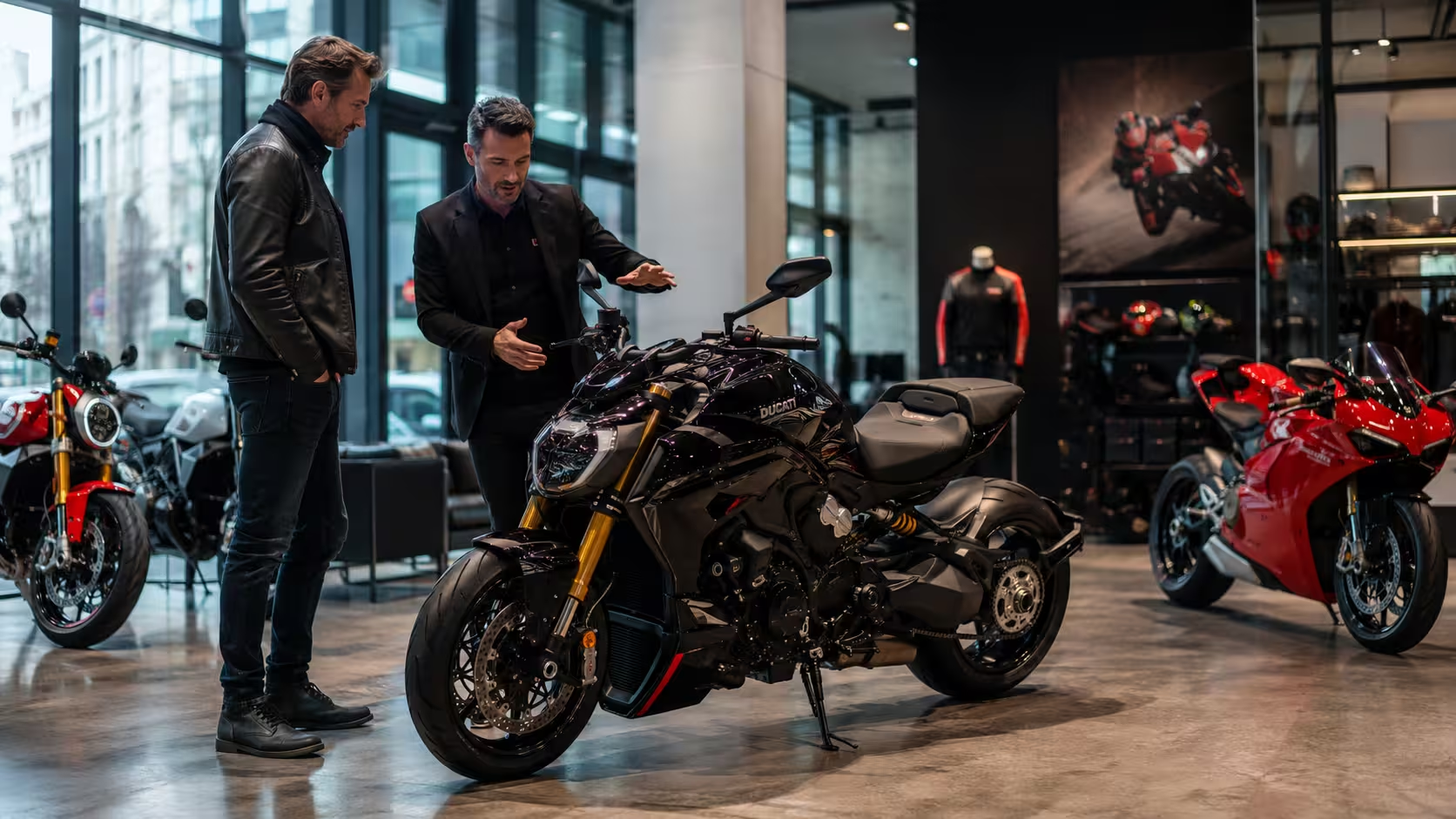

Ducati bikes deliver some of the most track-refined electronics, visceral power delivery and distinctive styling available today. Riders in the United States and Europe continue to choose these Italian machines for their racing heritage combined with sophisticated rider aids that make extreme performance more accessible. Whether the goal is pure circuit pace, daily street agility or long-distance versatility, the current range balances raw character with modern usability.
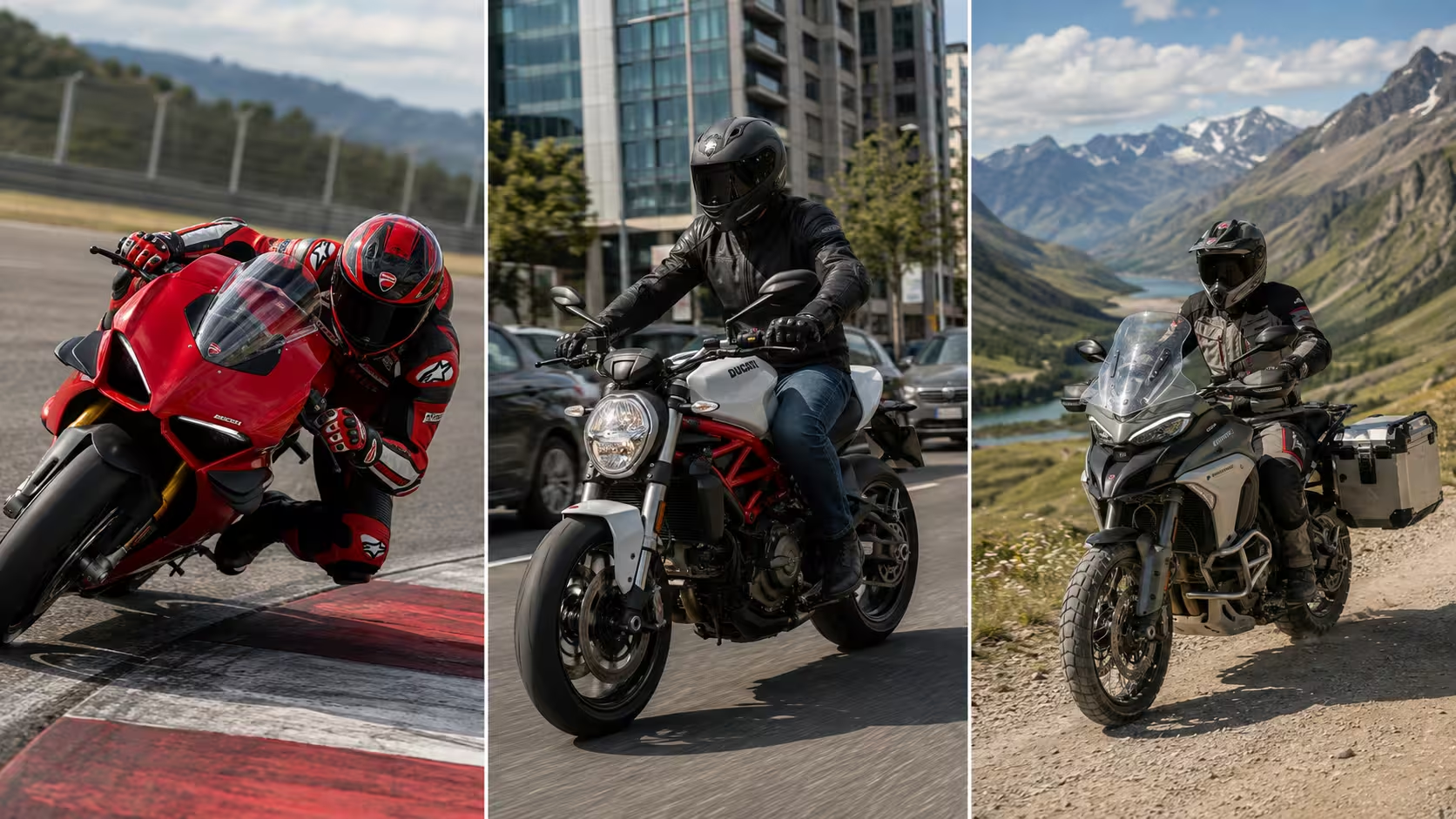
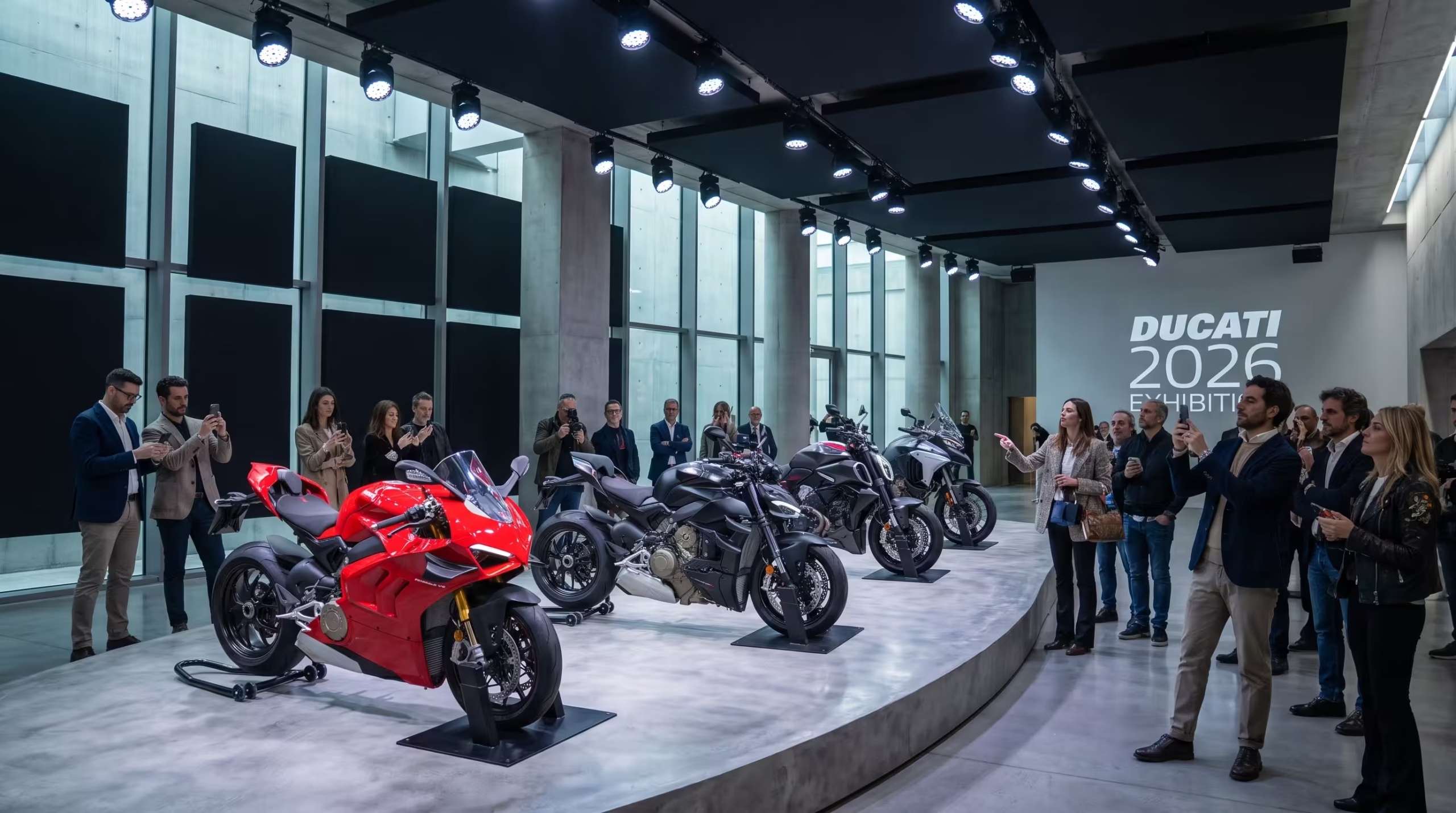
From the Panigale V4 superbike family to the lighter Monster V2 streetfighter, the muscular Diavel V4 RS and the versatile Multistrada V4, today’s Ducati bikes cover multiple riding styles while retaining a clear performance identity. Ownership still carries a premium, yet the combination of sound, chassis precision and electronics keeps the brand at the center of enthusiast conversations.
What Sports Bikes, Naked Bikes and Adventure Motorcycles Mean
Before comparing Ducati bikes, it helps to understand the main categories within the range.
- Sports bikes / Superbikes: Fully faired machines optimized for high-speed track and road performance, with aggressive ergonomics, advanced aerodynamics and maximum power.
- Naked / Streetfighters: Unfaired or minimally faired motorcycles that prioritize upright or slightly aggressive seating, strong mid-range torque and everyday agility.
- Adventure / Touring: Dual-purpose or long-distance models that blend sports-bike handling DNA with comfort, electronic suspension and capability across paved and light off-road surfaces.
- Cruiser-inspired performance models: Machines such as the Diavel that combine low-slung styling and muscular proportions with high horsepower and modern electronics.

Ducati Bikes Leading the Market
Panigale V4 and V4 R Superbikes
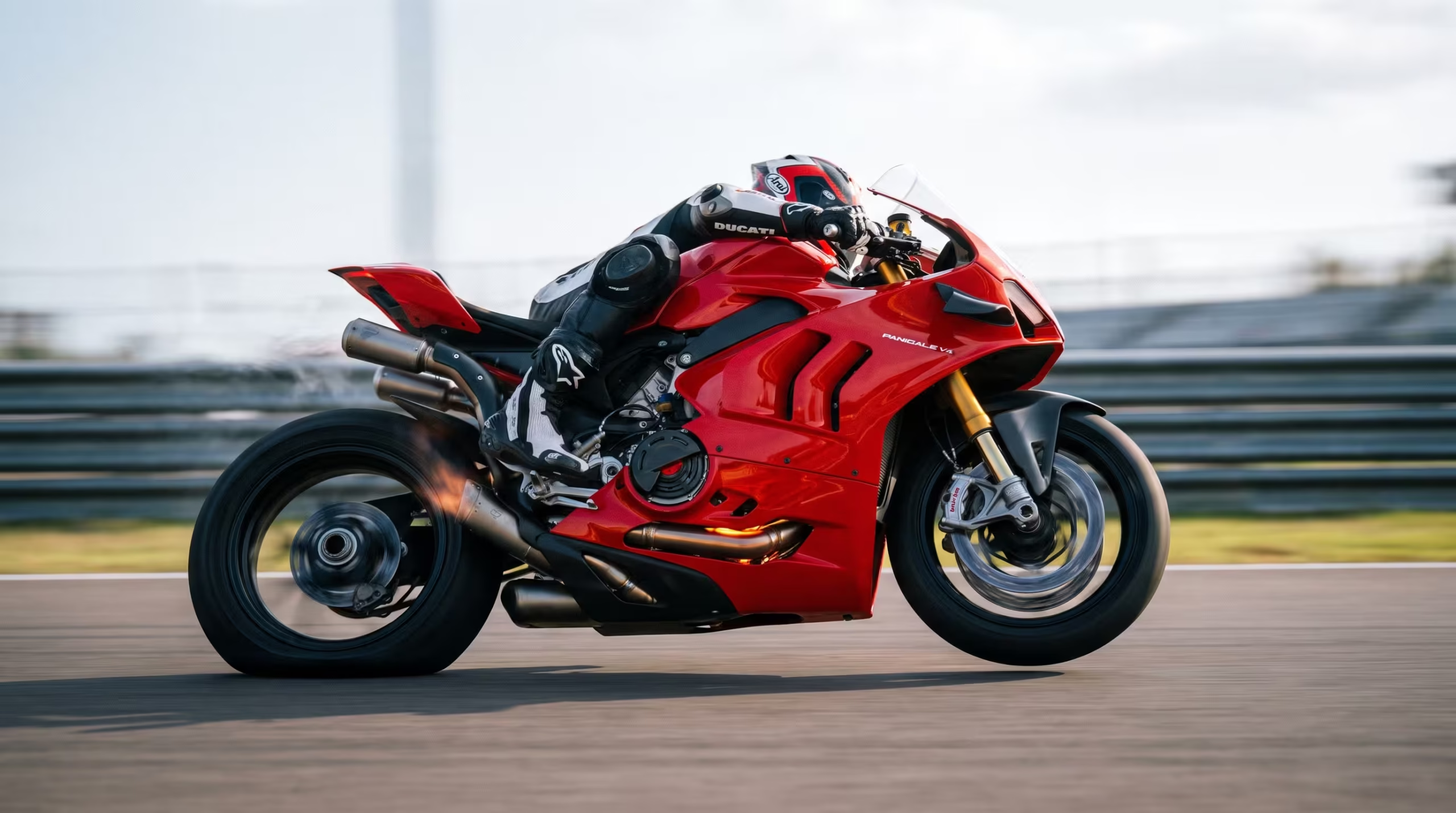
The Panigale V4 remains the flagship sports machine. Its 1103 cc Desmosedici Stradale 90-degree V4 engine produces approximately 209–216 hp depending on market calibration, with strong mid-range torque and a distinctive firing order. Aggressive ergonomics place the rider in a committed position that favors track work over relaxed commuting. Advanced electronics packages include sophisticated traction control, wheelie control, slide control and multiple riding modes that allow experienced riders to exploit the chassis on circuit.
The Panigale V4 R represents the most track-focused version. It uses a higher-revving 998 cc version of the Desmosedici Stradale R engine and offers even more refined electronics and components aimed at serious circuit use. Reviewers consistently describe it as one of the most complete production racing platforms available to private riders.
Monster V2 and Streetfighter Models
The Monster V2 marks a significant evolution. It switches to a new 890 cc V-twin engine producing 111 hp and approximately 91 Nm of torque while shedding weight to reach about 175 kg with an empty tank. The monocoque frame and double-sided swingarm improve agility, and the more accessible power delivery makes it one of the most usable daily Ducati bikes in the current lineup.
Higher-performance Streetfighter models retain more extreme power and electronics for riders who want naked-bike aggression with superbike-level performance.
Diavel V4 RS and Multistrada V4 Family
The Diavel V4 RS pairs a 1103 cc Desmosedici Stradale V4 engine producing 182 hp with a low-slung, muscular stance and premium Öhlins suspension. Straight-line acceleration is among the strongest in the range, while the electronics package helps manage the power for road use.
The Multistrada V4 S and related models use the 1158 cc V4 Granturismo engine rated at 170 hp and roughly 124 Nm. Semi-active suspension, radar-assisted systems on higher trims, long service intervals and adjustable ergonomics make these Ducati bikes suitable for both spirited road riding and extended touring.
Key Specifications Representative 2026 Ducati Models
| Model | Engine | Power | Torque | Wet Weight (approx.) | Position |
|---|---|---|---|---|---|
| Panigale V4 | 1103 cc V4 | 209–216 hp | ~89–90 lb-ft / 121 Nm | ~191 kg | Track-focused superbike |
| Panigale V4 R | 998 cc V4 | ~208 hp (higher with race kit) | ~84–85 lb-ft | Lower track weight | Pure racing platform |
| Monster V2 | 890 cc V-twin | 111 hp | ~91 Nm | 175 kg (empty tank) | Accessible streetfighter |
| Diavel V4 RS | 1103 cc V4 | 182 hp | ~89 lb-ft | ~220 kg | Performance cruiser |
| Multistrada V4 S | 1158 cc V4 | 170 hp | ~124 Nm | ~229–245 kg | Adventure-touring |
Performance, Horsepower, Torque and Acceleration
Ducati’s V4 engines deliver strong peak power combined with a distinctive character that many riders describe as more emotional than pure inline-four competitors. The counter-rotating crankshaft reduces the gyroscopic effect of the engine, aiding direction changes. Torque curves are shaped to provide usable drive out of corners rather than only high-rpm peak numbers.
The Monster V2 and Multistrada emphasize accessible mid-range torque for street and touring use, while the Panigale and Diavel RS prioritize higher peak output and sharper response. Acceleration is rarely the limiting factor; chassis balance and electronics determine how effectively the power can be used.

Handling, Suspension, Braking and Chassis
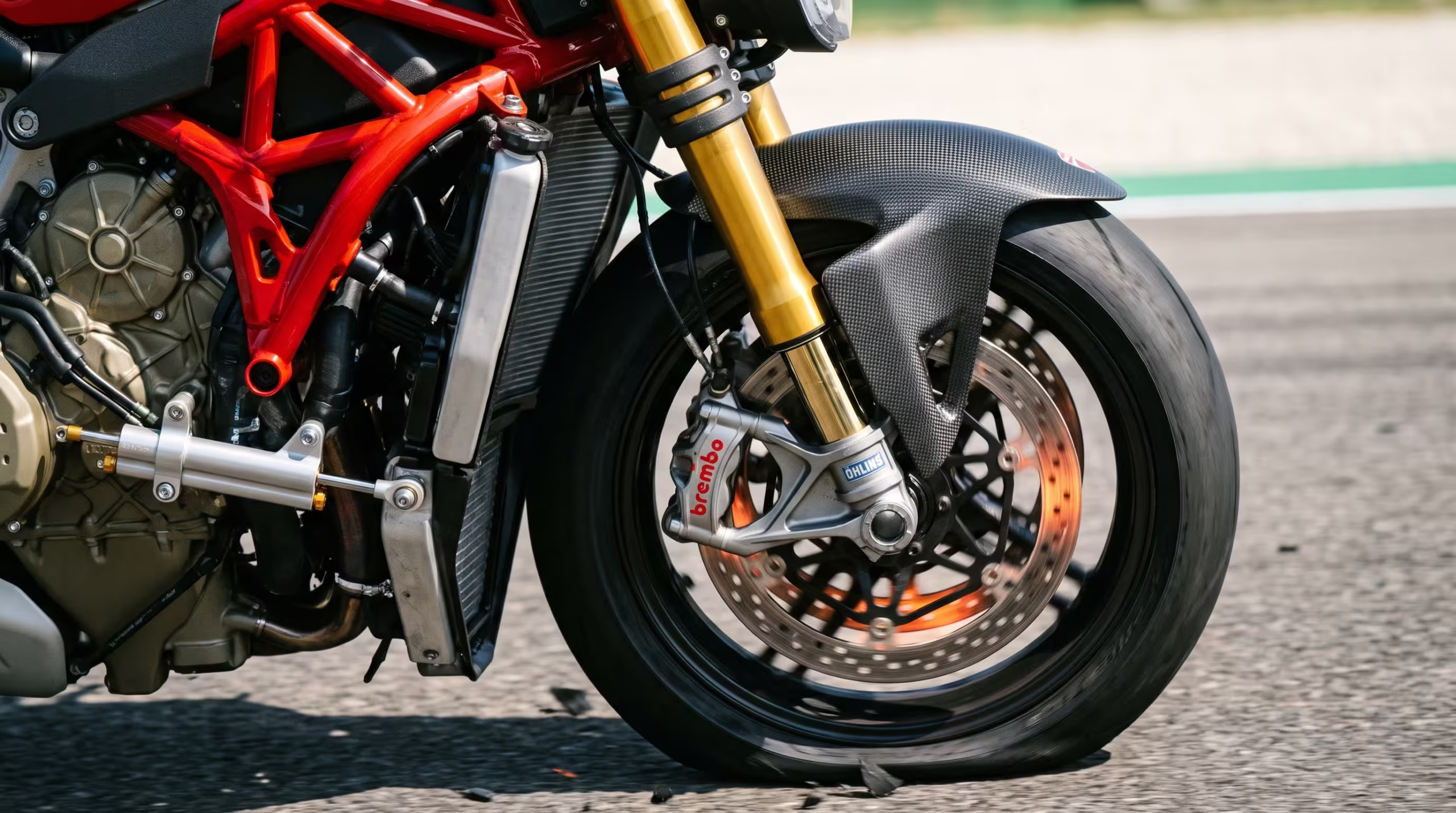
Modern Ducati bikes use aluminum monocoque or hybrid frames that treat the engine as a stressed member. This approach keeps weight low and rigidity high. Öhlins or high-specification Showa suspension appears on premium models, with semi-active systems on the Multistrada allowing real-time damping adjustment.

Brembo Stylema or equivalent radial calipers paired with large discs and cornering ABS deliver progressive, powerful braking. Traction control, wheelie control and slide control work together with an inertial measurement unit to keep the machine composed when the rider pushes harder.
Riding Position, Comfort and Daily Usability
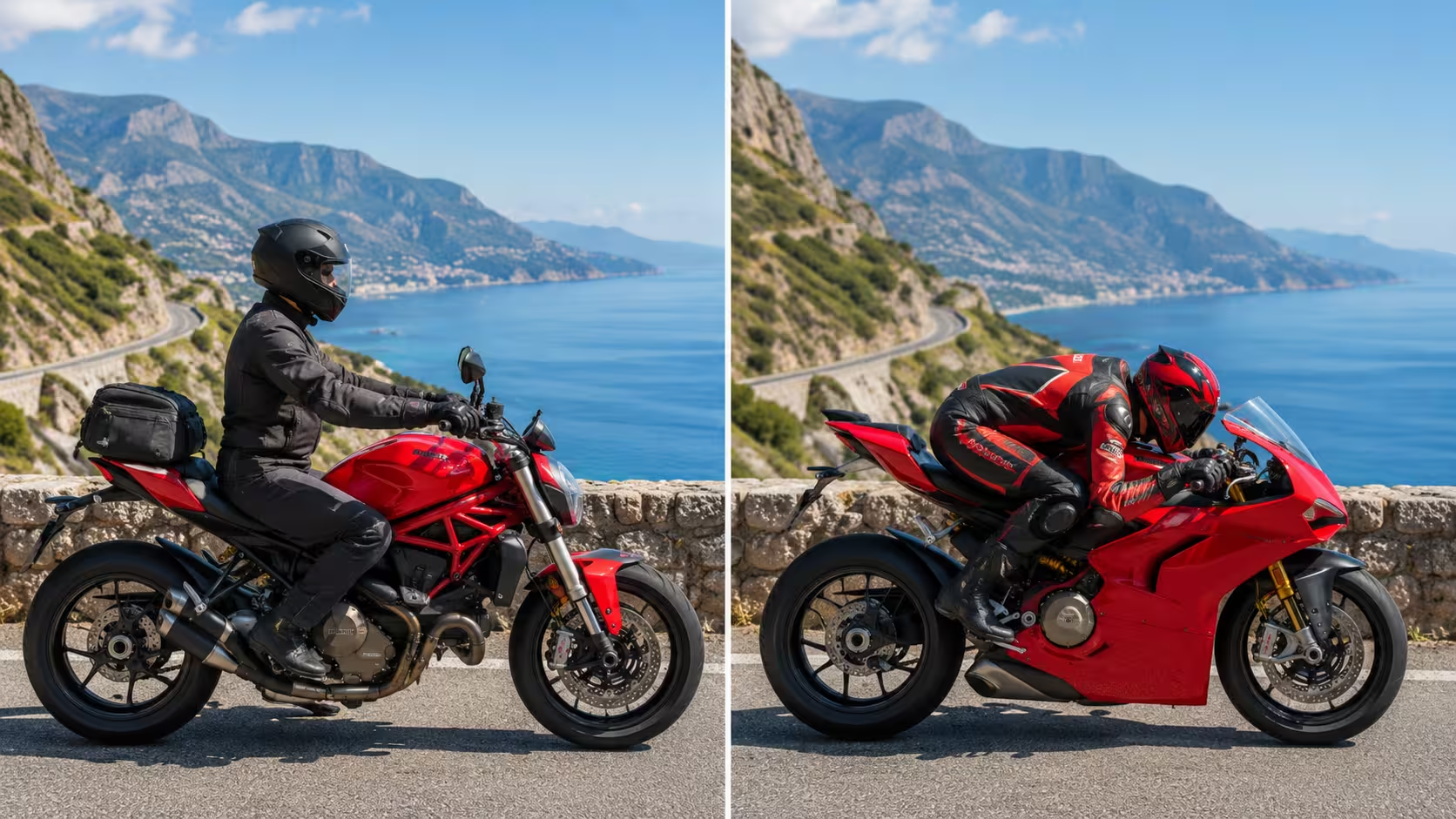
Sports models such as the Panigale place the rider in a committed, forward-leaning position that prioritizes control at high lean angles. This geometry is excellent on track but can become tiring in dense traffic or on long motorway runs. Naked models like the Monster V2 offer more upright bars and a lower seat, improving everyday comfort.
The Multistrada provides adjustable seat height, wind protection and more relaxed ergonomics for touring. Heat management remains a consideration on high-output V4 models in slow traffic, where engine temperature can radiate onto the rider’s legs.

Rider Technology, Electronics and Safety Systems
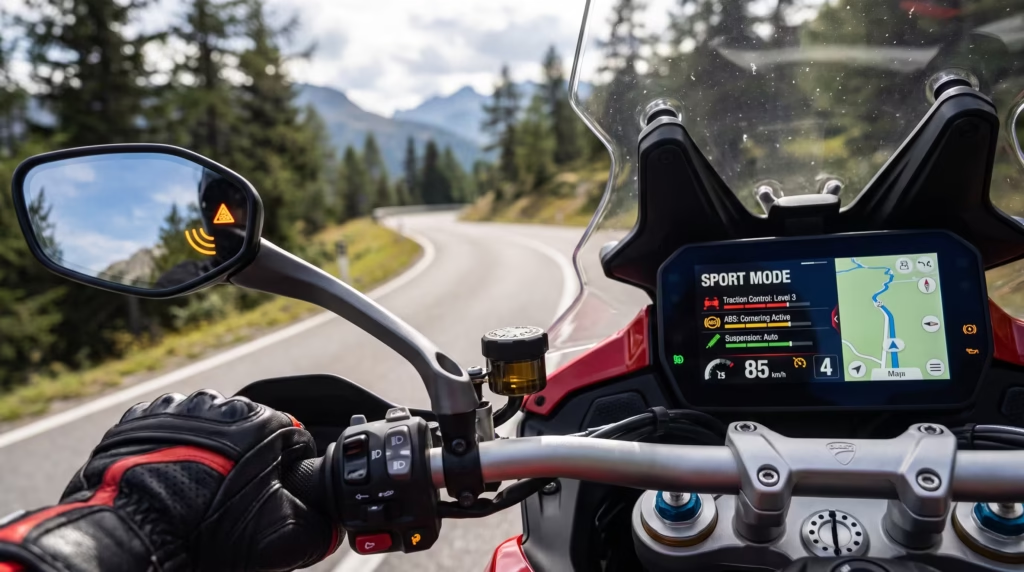
Ducati bikes feature some of the most comprehensive electronics packages in production motorcycles. Multiple riding modes alter power delivery, traction control intervention, ABS behavior and suspension settings. Ducati Quick Shift allows clutchless up and down shifts. Higher Multistrada trims add radar-based adaptive cruise and blind-spot monitoring.
Cornering ABS, lean-sensitive traction control and wheelie control form the core safety net. These systems are designed to support skilled riding rather than replace rider judgment.
Fuel Economy, Maintenance and Ownership Costs
Fuel consumption varies widely with riding style. Touring-oriented models can return respectable figures when ridden moderately, while track-focused machines consume more under hard use. Service intervals on newer V-twin and Granturismo engines have been extended, reducing the frequency of major valve checks compared with earlier Desmo units.

Ownership still carries a premium. Parts, specialized labor and high-performance consumables such as tires and brake pads cost more than equivalent Japanese alternatives. Buyers should budget for this “Ducati tax” when calculating long-term running costs.
Ducati Bikes vs Competitors and Other Categories
Compared with Japanese superbikes, Ducati models often emphasize emotional engine character, distinctive styling and deeper electronics customization. Naked rivals from other European and Japanese brands may offer similar power at lower purchase or maintenance cost, yet few match the combination of sound and chassis feel.
Versus pure touring or adventure machines from other manufacturers, the Multistrada prioritizes sports-bike handling DNA and electronic sophistication. The Diavel occupies a unique performance-cruiser niche that few competitors address with the same combination of power and presence.
Real-World Usability and Track Performance
On the road, the Monster V2 and Multistrada prove the most versatile for mixed conditions. The Panigale family rewards skilled riders on open roads and circuit days but demands commitment in everyday traffic. Track performance remains a core strength: the electronics allow progressive exploration of grip limits, and the chassis geometry supports high corner speeds once the rider adapts to the aggressive ergonomics.
Market Impact and Future Trends
Ducati bikes continue to influence the sports and premium segments by demonstrating that high power and advanced electronics can coexist with distinctive character. Future development is likely to focus on further weight reduction, refined rider aids, extended service intervals and continued hybridization of track-derived technology into street models.

Electrification remains a longer-term consideration, yet the current internal-combustion range still defines the brand’s identity for most enthusiasts.
The strongest Ducati bikes in 2026 succeed for different reasons. The Panigale V4 and V4 R deliver unmatched track intensity and electronics refinement. The Monster V2 offers accessible performance and improved daily manners. The Diavel V4 RS combines dramatic styling with fierce acceleration, while the Multistrada V4 family provides genuine long-distance capability without abandoning sports-bike DNA.
Choosing the right model depends on intended use, rider experience, budget for purchase and maintenance, and tolerance for aggressive ergonomics. Evaluating local dealer support, test-ride impressions and realistic running costs remains more important than any single specification sheet.