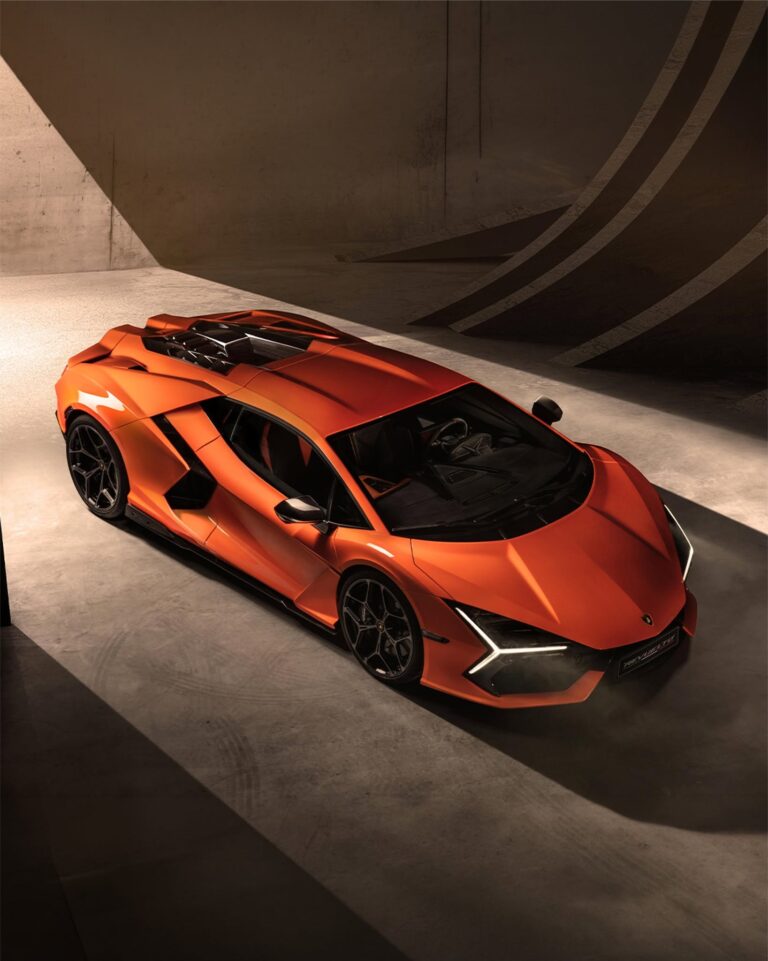
Modern Cars Smartphones on Wheels in a High-Price, High-Tech Era


Modern cars have transformed into something closer to high-powered smartphones on wheels than the mechanical machines of previous decades. Massive digital screens dominate dashboards, electrified powertrains are becoming the norm, and the average transaction price for a new vehicle now sits near $49,000. Drivers shopping for a new car today must navigate complex software systems, a sea of nearly identical-looking crossovers, and significant financial barriers that did not exist even a decade ago.
This shift brings both clear benefits and real frustrations. Connectivity and efficiency have improved, yet many buyers feel the cars themselves have become less distinctive, more complicated, and harder to afford. Understanding these defining traits of modern cars helps shoppers make smarter decisions and set realistic expectations in today’s market.
Digital Infotainment and the Screen Era
One of the most visible changes in modern cars is the near-total dominance of digital displays. Traditional rows of buttons and knobs have largely given way to large touchscreens that control everything from climate settings to vehicle functions.
Many manufacturers route basic operations through layered touch menus. This approach creates clean, minimalist interiors but can increase driver distraction when simple adjustments require multiple taps. A few brands, most notably Mazda, have actively resisted this trend by retaining more physical controls and simpler layouts specifically to reduce eyes-off-the-road time.
Connectivity has become just as critical as the powertrain. Over-the-air software updates now allow manufacturers to improve features, fix bugs, and even add new functions after the car has left the dealership. As a result, the vehicle’s internal modem and software stability matter as much as engine reliability once did. When the system works well, the experience feels seamless. When it glitches, the entire cabin can feel compromised.
The Powertrain Shift Toward Hybrids and Electrics
The traditional combustion engine is no longer the automatic default for major automakers. Modern cars increasingly feature hybrid, plug-in hybrid, or fully electric powertrains.
Standard hybrid systems have become especially popular among everyday commuters. Models that once offered only gasoline engines, such as the Toyota Camry, have moved to hybrid-only lineups in many markets. These powertrains deliver strong fuel economy without requiring drivers to change their refueling habits.
Fully electric options continue to expand as well. Buyers can choose everything from premium daily drivers to small urban-focused micro-EVs. While overall EV adoption rates have stabilized rather than accelerated dramatically, the variety of choices is greater than ever. The technology itself keeps improving in range, charging speed, and refinement, even if infrastructure and purchase price remain barriers for many households.
Homogenized “Blob” Designs
If every new crossover and sedan seems to look the same, there is a practical reason. Tight fuel-efficiency regulations and crash-safety requirements push designers toward similar rounded, aerodynamic shapes. These profiles reduce drag and help meet efficiency targets, but they also erase much of the visual personality that once distinguished brands.
Because the basic body forms are so similar, manufacturers now rely heavily on lighting design to create identity. Complex LED light bars, signature daytime running light patterns, and distinctive rear lamp graphics have become the primary tools for differentiation. The result is a generation of modern cars that are efficient and safe yet often lack the distinctive character of earlier designs.

Affordability and Pricing Pressure
Perhaps the most significant challenge facing buyers of modern cars is cost. The average new-vehicle transaction price now hovers just under $50,000. Automakers have shifted focus toward higher-trim, higher-profit models, which has pushed the overall market upward.
True budget options under $25,000 have nearly disappeared. A handful of models, including the Nissan Versa and the newly introduced Kia K4, still attempt to hold the entry-level line, but the selection is thin. For many households, financing a new car has become a major financial commitment that requires careful budgeting and realistic expectations about monthly payments, insurance, and long-term ownership costs.

Comparison of Key Trends in Modern Cars
| Trend Area | What Has Changed | Impact on Buyers | Notable Examples |
|---|---|---|---|
| Infotainment | Giant touchscreens replace most physical controls | Cleaner interiors but potential distraction | Most new models; Mazda resists |
| Powertrains | Hybrids and EVs becoming mainstream | Better efficiency, new ownership considerations | Toyota Camry Hybrid, Tesla Model 3, FIAT Topolino |
| Exterior Design | Rounded aerodynamic shapes dominate | Cars look more similar; lighting becomes key | Nearly all new crossovers and sedans |
| Pricing | Average transaction near $49,000–$50,000 | Higher financial barrier | Broad market shift; few sub-$25k options |
What These Trends Mean for Everyday Drivers
The combination of digital complexity, powertrain change, visual sameness, and high prices creates a mixed experience. On the positive side, modern cars are generally safer, more efficient, and more connected than their predecessors. Advanced driver-assistance systems, strong crash performance, and improved fuel economy or electric range deliver real benefits.
On the negative side, the learning curve for new technology can feel steep, the visual landscape of the road has become less interesting, and the financial barrier to entry has risen sharply. Buyers who once could comfortably afford a well-equipped new car now often face difficult trade-offs between features, size, and monthly cost.

How Buyers Can Navigate Today’s Market
Shoppers interested in modern cars benefit from clear priorities. Decide first whether physical controls matter more than a minimalist cabin. Test how intuitive the infotainment system feels during a real drive, not just in a parked demonstration.
Consider powertrain needs carefully. A standard hybrid often delivers the best balance of efficiency and convenience for most drivers. Fully electric models work well for those with reliable home charging and suitable daily ranges.
On design and pricing, recognize that visual distinction is limited and that stretching the budget for higher trims is exactly what manufacturers encourage. Exploring well-equipped mid-level versions or waiting for targeted incentives can help manage costs.
Modern cars have evolved into sophisticated, software-driven machines that prioritize efficiency, connectivity, and safety. Giant screens, electrified powertrains, aerodynamic “blob” styling, and elevated prices define the current landscape. These changes bring genuine progress alongside real drawbacks in complexity, visual variety, and affordability.
For drivers, the key is approaching the market with open eyes. Understanding the trade-offs allows buyers to choose vehicles that match their actual needs rather than simply following the latest trends. The cars of today are more advanced than ever, yet they also demand more thought and financial planning than the simpler machines of the past.
What aspect of modern cars frustrates or impresses you most—the screens, the pricing, the designs, or the powertrain options? Share your experience in the comments below. If you want more clear-eyed analysis of today’s automotive market, subscribe for future insights and buying guidance.