Electric Vehicles Types, Top Models, and Why They Matter


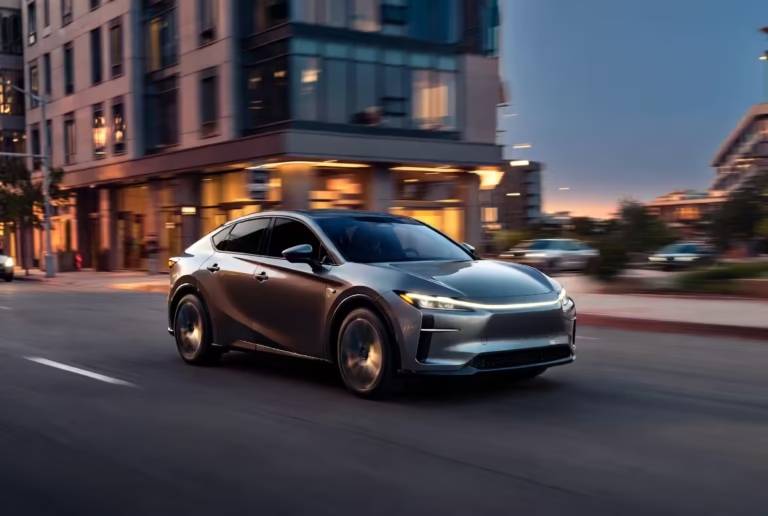
An electric vehicle, commonly called an EV, is a car propelled by one or more electric motors powered by a rechargeable battery pack instead of a traditional gasoline engine. Modern EVs deliver exceptional daily utility, lower maintenance costs, instant acceleration, and average driving ranges between 200 to 350 miles on a single charge. Some premium models push even higher, offering over 400 miles of highway range.
The shift toward electric vehicles continues to gain momentum as technology improves and more drivers experience the advantages firsthand. Whether you are considering your first EV or comparing options, understanding the different types, standout models, and charging basics helps make the transition smoother.
This guide covers the main types of electric vehicles, highlights top-rated models across categories, explains charging levels, and outlines the core benefits of going electric.
Types of Electric Vehicles
Electric vehicles come in several forms, each offering different levels of electrification and flexibility.
Battery Electric Vehicles (BEVs) run entirely on battery power. They have no gasoline engine and must be charged from an external power source such as a home charger or public station. BEVs represent the purest form of electric driving and typically offer the lowest operating costs.
Plug-In Hybrid Electric Vehicles (PHEVs) combine an electric motor with a gasoline engine. They can be plugged in for short electric-only commutes and then switch to gasoline power for longer trips. This hybrid approach provides flexibility for drivers who want some electric driving without range anxiety.
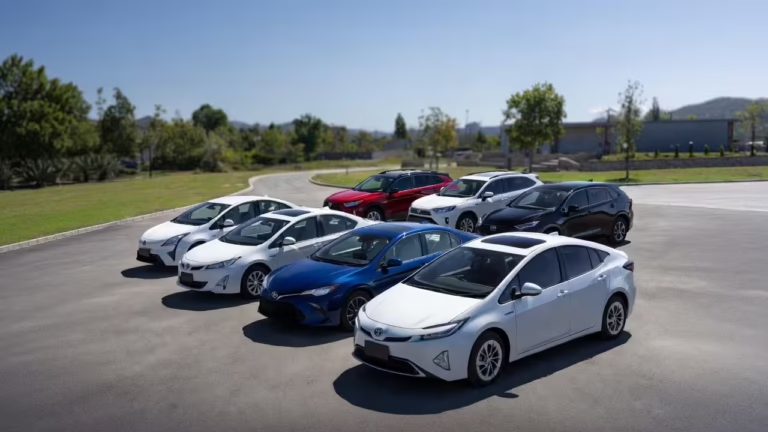
Hybrid Electric Vehicles (HEVs) use both a gas engine and an electric motor but cannot be plugged in. The electric motor assists during acceleration and captures energy through regenerative braking. HEVs improve fuel efficiency compared to traditional gasoline cars without requiring external charging.
Each type serves different needs. Pure BEVs suit drivers with access to charging and predictable daily routes, while PHEVs and HEVs offer a bridge for those who travel longer distances or have limited charging options.
Top-Rated EVs by Category
The electric vehicle market features diverse body styles across different price tiers and use cases. Several models consistently stand out for their performance, features, and owner satisfaction.
The 2026 Tesla Model Y is widely regarded as the best overall entry-level premium midsize SUV. It offers a fixed ride quality, spacious interior, and seamless access to an extensive charging network. Its blend of practicality, technology, and real-world usability makes it a popular choice for families and daily drivers.

The 2025 Hyundai Ioniq 6 earns strong praise as one of the best standard electric sedans. It features ultra-fast charging capabilities and an impressive aerodynamic design that contributes to strong efficiency. The Ioniq 6 appeals to buyers seeking a stylish, efficient sedan with modern technology.

The 2026 Lucid Air is recognized as the pinnacle luxury electric sedan. It consistently sets high standards with exceptional highway range, often exceeding 400 to 500 miles depending on configuration and conditions. The Lucid Air combines advanced engineering with refined luxury for buyers who want the highest levels of performance and comfort.

The 2026 Rivian R1T stands out as a top all-electric utility truck. It delivers rugged off-road performance along with a multi-functional bed that enhances its practicality for work and adventure. The R1T appeals to buyers who need truck capability in an electric package.

These models represent different strengths within the EV landscape — from versatile family SUVs and efficient sedans to luxury flagships and capable trucks.
EV Charging Levels
Charging an electric vehicle is straightforward once you understand the main options available.
Level 1 charging uses a standard 120V household wall outlet. It adds roughly 3 to 5 miles of range per hour, making it suitable for overnight top-ups when daily mileage is low.
Level 2 charging uses a 240V appliance outlet or a dedicated home charging station. Most vehicles can achieve a full charge overnight with Level 2 equipment, providing convenient daily replenishment for typical commuting distances.
Level 3, also known as DC Fast Charging, uses commercial roadside chargers. These stations can recharge an EV battery from 10% to 80% in approximately 15 to 30 minutes, making them ideal for longer trips or when quick top-ups are needed.
Many EV owners install Level 2 chargers at home for convenience while using public fast chargers during travel. Planning routes around available charging infrastructure helps maximize the practicality of electric driving.
Core Benefits of Going Electric
Electric vehicles offer several meaningful advantages compared to traditional gasoline vehicles.
Lower operating costs are one of the most noticeable benefits. Charging an EV typically costs significantly less per year than fueling a comparable gasoline vehicle, especially when charging at home during off-peak hours.
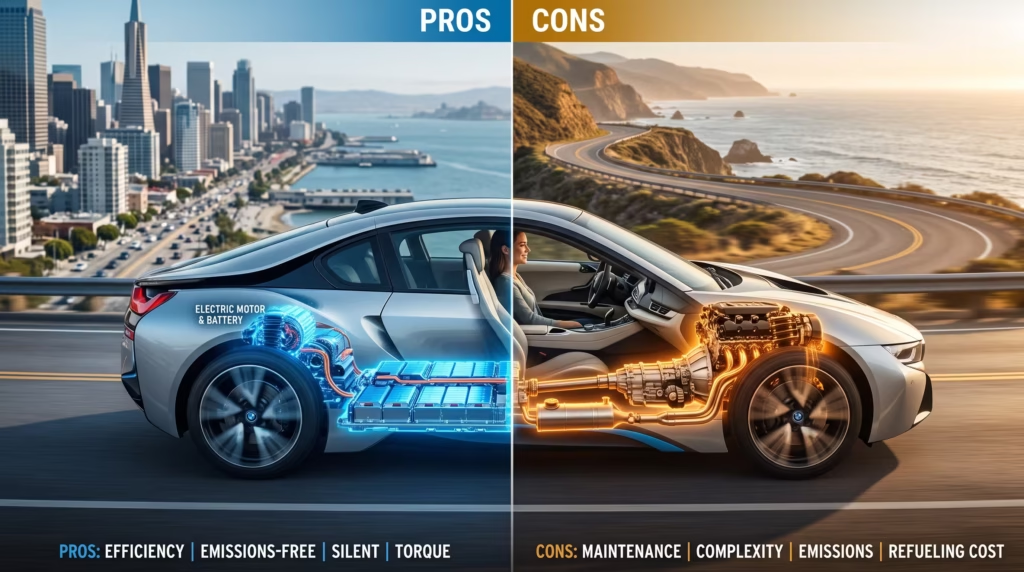
Reduced maintenance is another key advantage. EVs have fewer moving parts and do not require regular engine oil changes, spark plug replacements, or timing belt service. This leads to fewer mechanical issues and lower long-term service costs.
Instant performance comes from the nature of electric motors, which deliver peak torque immediately. The result is exceptionally responsive and smooth acceleration that feels strong from a standstill, enhancing both daily driving enjoyment and highway merging confidence.
These benefits, combined with improving range and charging infrastructure, make electric vehicles increasingly attractive for a wide range of drivers.
Comparison of Top Electric Vehicles
| Model | Body Style | Key Strengths | Estimated Range Highlights | Best Suited For |
|---|---|---|---|---|
| Tesla Model Y | Midsize SUV | Spacious interior, charging network | Strong real-world range | Families and daily drivers |
| Hyundai Ioniq 6 | Standard Sedan | Aerodynamic efficiency, fast charging | Excellent efficiency | Buyers seeking style and range |
| Lucid Air | Luxury Sedan | Exceptional range and refinement | Over 400–500 miles highway | Luxury-focused buyers |
| Rivian R1T | Electric Truck | Off-road capability, versatile bed | Practical utility range | Adventure and work use |
This overview shows how different EVs excel in specific areas while sharing the core advantages of electric propulsion.
How to Choose the Right Electric Vehicle
Selecting the best EV depends on your lifestyle, driving habits, and priorities. Consider your typical daily mileage, access to home charging, and whether you need an SUV, sedan, or truck body style.
Budget plays an important role as well. Entry-level options like the Tesla Model Y offer strong value, while premium models such as the Lucid Air provide higher levels of luxury and range. The Hyundai Ioniq 6 balances efficiency and style at a competitive price point, and the Rivian R1T serves those who need truck functionality.
Test driving several models helps you experience the differences in ride quality, interior space, and performance. Many dealerships and manufacturers also offer educational resources and incentives that can make switching to an EV more accessible.
Electric vehicles have matured into practical, enjoyable options for a wide range of drivers. From the versatile Tesla Model Y and efficient Hyundai Ioniq 6 to the luxurious Lucid Air and capable Rivian R1T, today’s EVs deliver strong performance, lower operating costs, and modern technology.
Understanding the different types of electric vehicles, charging options, and key benefits helps you make a confident choice. Whether you are ready to buy new or used, or simply exploring the possibilities, the EV landscape offers compelling options that continue to improve each year.
What type of electric vehicle interests you most, or what body style and budget range are you considering? Share your thoughts in the comments below. Visit local dealerships to experience current models and learn about available incentives. Subscribe for more practical guides on electric vehicles and sustainable mobility.