Types of Sports Cars Complete Guide to Performance Vehicle Categories


Sports cars are broadly categorized by body style, performance capabilities, and intended use. The automotive industry separates these high-performance vehicles into several distinct segments that range from pure driver-focused machines to practical daily performers.
Unlike regular cars that prioritize comfort or efficiency, sports cars emphasize agile handling, strong acceleration, and an engaging driving experience. Understanding the different categories helps buyers match the right vehicle to their lifestyle, budget, and performance goals.
This guide breaks down the major types of sports cars, highlights standout models in each segment, and explains what makes them unique.
Pure Sports Cars & Roadsters
These vehicles are engineered from the ground up to prioritize agile handling and driver engagement over raw cargo space or everyday practicality.
Roadsters / Spiders
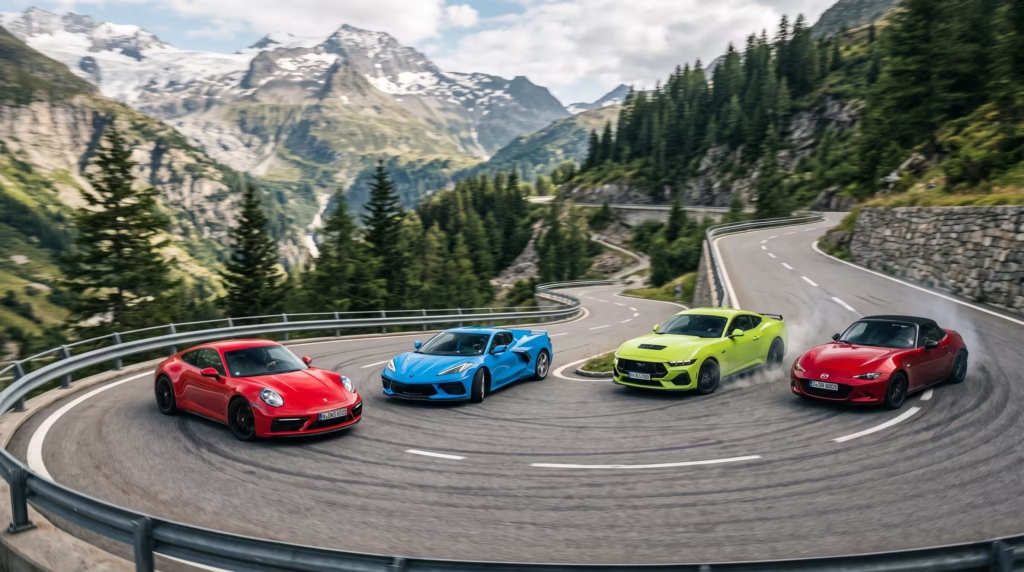
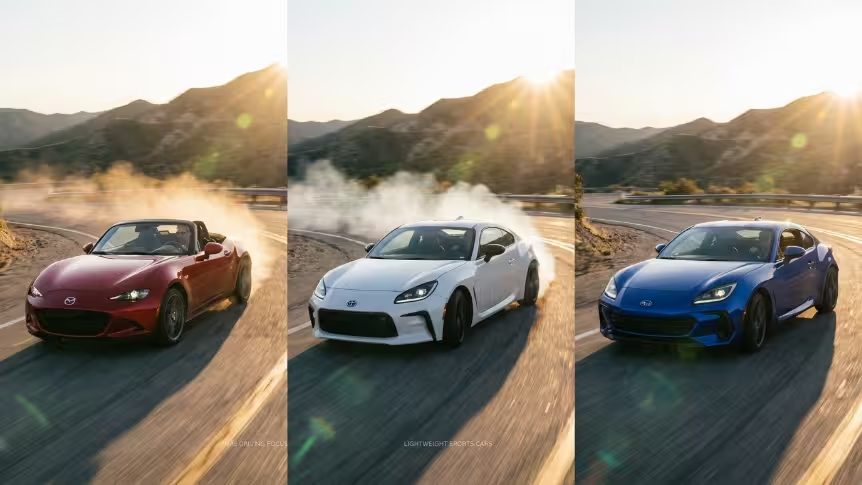
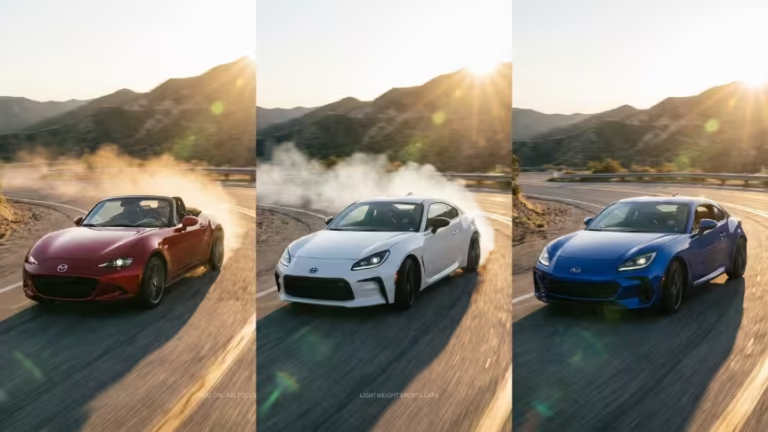
Roadsters (also called spiders) are dedicated open-top, two-seater convertibles focused on lightweight agility and open-air thrills. A prime example is the Mazda MX-5 Miata, a car that has long been celebrated for its pure driving feel, low weight, and accessible fun.

These models typically feature rear-wheel drive, precise steering, and a strong connection between driver and road. They are ideal for weekend drives and enthusiasts who value pure engagement over utility.
Sports Coupes
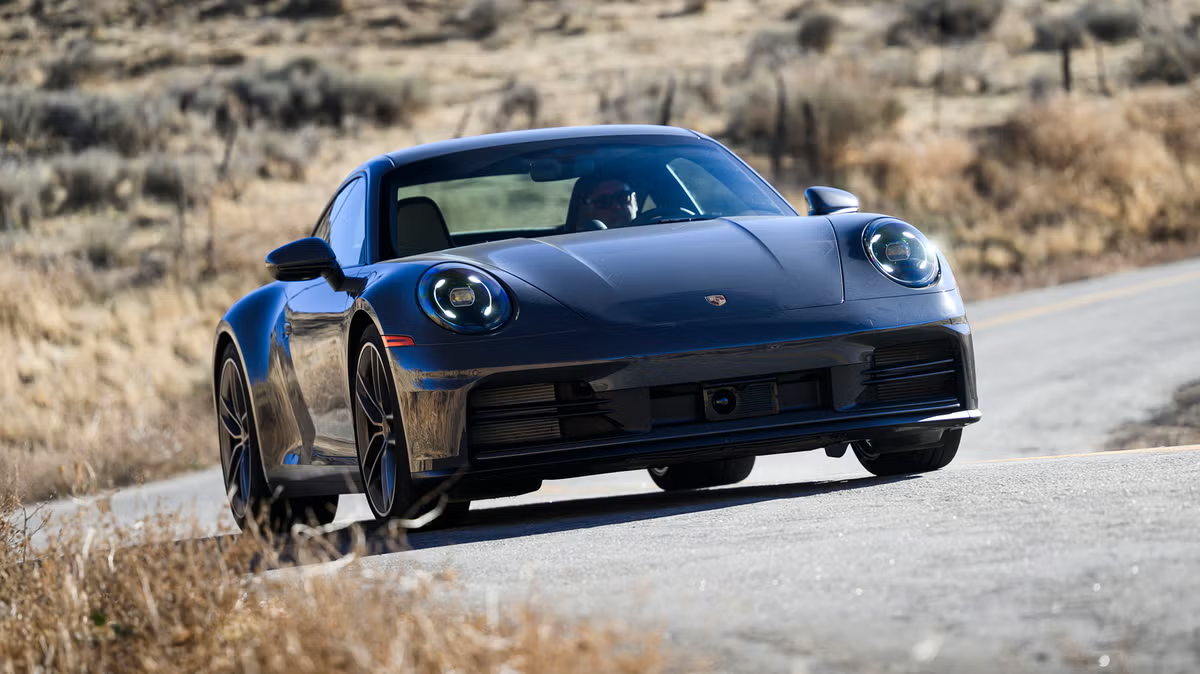
Sports coupes are fixed-roof two-door models optimized for rigid performance and balanced handling. Top options include the mid-engine Porsche 718 Cayman and the front-engine Toyota GR Supra.
These cars deliver sharp chassis dynamics, strong power delivery, and a more usable cabin than pure roadsters while still focusing on the joy of driving.
High-Performance & Muscle Cars
This tier relies heavily on massive power delivery, straight-line speed, or elevated racing technologies.
Muscle & Pony Cars
American classics featuring powerful V8 engines in a rear-wheel-drive setup define this category. Prominent examples include the Ford Mustang and Chevrolet Camaro.
These cars emphasize strong acceleration, aggressive styling, and a visceral driving experience. They remain highly popular for their combination of performance, affordability relative to exotics, and cultural appeal.
Grand Tourers (GT)
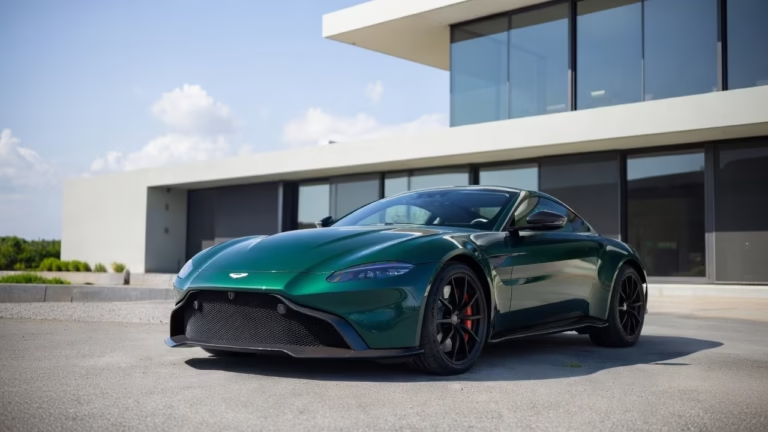
Grand Tourers are larger, luxury sports cars engineered for high-speed, long-distance driving in supreme comfort. Notable models include the Aston Martin DB12 and the luxury Lexus LC.
GT cars blend powerful engines with refined interiors, advanced technology, and the ability to cover long distances without fatigue. They prioritize a balance of performance and grand touring luxury.
Supercars & Hypercars
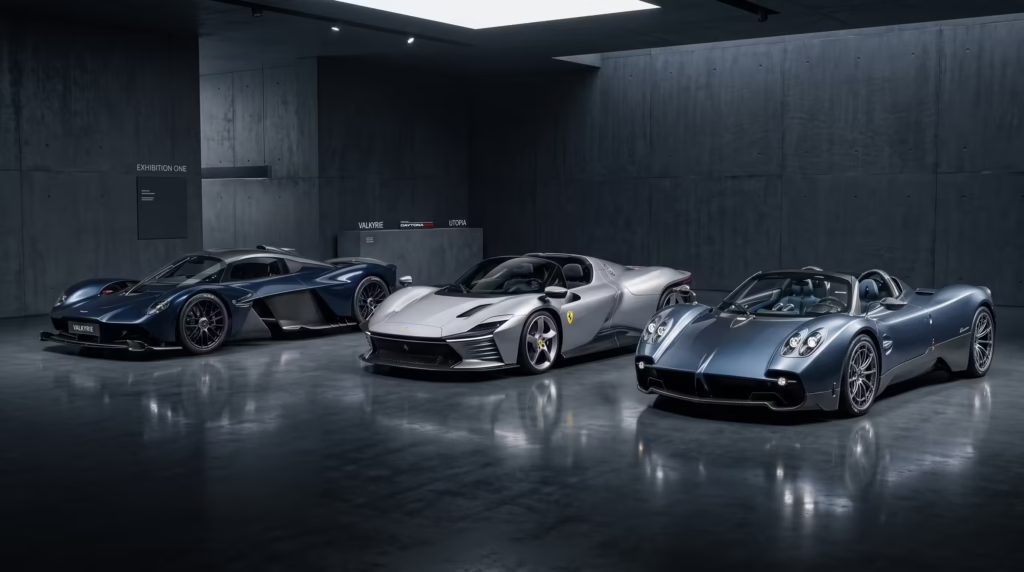
Exotic, ultra-high-end vehicles featuring cutting-edge aerodynamics, elite performance tiers, and extreme price tags make up this segment. Iconic representations include the mid-engine Ferrari 296 and record-breaking hybrid Bugatti models.

These cars deliver extraordinary acceleration, top speeds, and advanced materials. They are designed for collectors and enthusiasts seeking the absolute pinnacle of performance and exclusivity.
Practical Performance Variants
These options inject sports car power and upgraded chassis tuning into daily-use, family-friendly vehicle platforms.
Sport Sedans
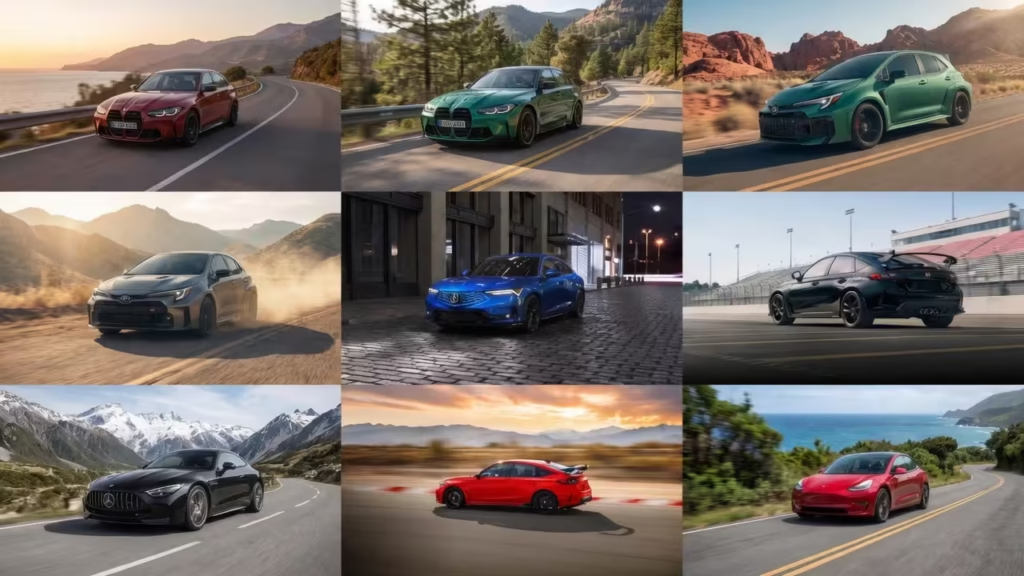
Sport sedans are four-door daily drivers packing rigid sports suspensions and high-output engines. Leaders in this space include the sharp Cadillac CT4-V Blackwing and track-capable BMW M3.
They offer strong performance while remaining practical for everyday use, with room for passengers and luggage.
Hot Hatches
Hot hatches are compact, practical hatchbacks upgraded with turbocharged powertrains and aggressive grip. Standouts include the rally-inspired Toyota GR Corolla and Acura Integra Type S.
These cars deliver surprising performance, sharp handling, and everyday usability in a smaller, more affordable package.
Performance SUVs
Performance SUVs are heavy-duty utility vehicles loaded with track-tuned suspensions and supercar-level power. Famous icons include the brutal Aston Martin DBX707 and the Lamborghini Urus.
They combine high performance with the space, ground clearance, and versatility of an SUV, appealing to buyers who want thrills without sacrificing practicality.
Comparison of Sports Car Categories
| Category | Body Style | Key Focus | Example Models | Best For |
|---|---|---|---|---|
| Roadsters / Spiders | Open-top 2-seater | Lightweight agility, open-air fun | Mazda MX-5 Miata | Pure driving enjoyment |
| Sports Coupes | Fixed-roof 2-door | Balanced performance | Porsche 718 Cayman, Toyota GR Supra | Engaging daily performance |
| Muscle & Pony Cars | 2-door coupe | Straight-line power, V8 character | Ford Mustang, Chevrolet Camaro | American performance thrills |
| Grand Tourers | Luxury 2-door | High-speed comfort | Aston Martin DB12, Lexus LC | Long-distance luxury performance |
| Supercars & Hypercars | Exotic 2-door | Extreme performance & exclusivity | Ferrari 296, Bugatti models | Collectors and ultimate thrills |
| Sport Sedans | 4-door | Performance + practicality | BMW M3, Cadillac CT4-V Blackwing | Daily drivers who want speed |
| Hot Hatches | Hatchback | Fun, compact performance | Toyota GR Corolla, Acura Integra Type S | Affordable everyday thrills |
| Performance SUVs | SUV | Power + utility | Aston Martin DBX707, Lamborghini Urus | Families wanting high performance |
This table provides a clear overview of the main sports car categories and helps match them to different needs.
How to Choose the Right Type of Sports Car
Selecting the best sports car depends on several factors. Consider these questions:
- What is your target budget?
- Do you prefer a manual rear-wheel-drive setup or automatic all-wheel drive?
- Do you need back seats or practical trunk space?
- Will the car be used mainly for weekend fun, daily driving, or long-distance touring?
- How important is open-air driving versus all-weather usability?
Pure sports cars and roadsters deliver the most engaging experience but offer limited practicality. Sport sedans, hot hatches, and performance SUVs provide a better balance for everyday use. Supercars and hypercars sit at the extreme end for those seeking maximum performance and exclusivity.
Test driving vehicles from different categories is highly recommended, as the character of each type feels distinctly different behind the wheel.
Benefits of Owning a Sports Car
Sports cars deliver a unique sense of connection to the road, strong acceleration, and a high level of driver involvement. Many models also offer advanced technology, distinctive styling, and strong emotional appeal.
Practical performance variants allow owners to enjoy sports car thrills without completely sacrificing daily usability. Meanwhile, pure sports cars and supercars provide an unmatched experience for enthusiasts who prioritize performance above all else.
Sports cars come in many forms, from lightweight roadsters and agile sports coupes to powerful muscle cars, luxurious grand tourers, extreme supercars, and practical performance variants such as hot hatches, sport sedans, and high-powered SUVs.
Each category serves a different purpose and appeals to different types of drivers. Understanding the distinctions between pure sports cars, high-performance machines, and practical performance options helps you choose a vehicle that matches both your performance desires and real-world needs.
If you are looking to purchase a performance vehicle, let me know your target budget, preferred drivetrain (such as manual RWD or automatic AWD), and whether you need back seats or practical trunk space. I can help narrow this down to exact model recommendations. Share your preferences or favorite category in the comments below. Visit dealerships to experience different types of sports cars firsthand. Subscribe for more guides on high-performance vehicles and buying advice.